Menopause Well · 14 min read
The Menopause Meal Plan
Seven days of food that works with your changing hormones instead of against them.
Download the PDFThe promise
By the end of this guide you will know exactly what to put on your plate for the next seven days, why each meal is built the way it is, and how to repeat the pattern forever without another meal plan.
What's inside
- What actually changes at menopause, estrogen, muscle, bone, insulin, and sleep
- The five plate rules that carry the entire week
- A day-by-day seven-day plan with breakfast, lunch, dinner, and a snack
- A one-trip grocery list organised by aisle
- A two-hour Sunday prep session that makes the week automatic
- Symptom troubleshooting: hot flashes, sleep, brain fog, belly weight
The science, in plain language
01What is actually changing
Estrogen is not only a reproductive hormone. It influences how you store fat, how sensitive your cells are to insulin, how quickly you lose bone, how well you sleep, and how efficiently you build muscle. When estrogen falls in perimenopause and menopause, all of those systems shift at once, which is why the same way of eating that worked at 35 can stop working at 48.
Three changes matter most at the plate. First, muscle protein synthesis becomes less responsive, so you need more protein per meal to get the same building signal. Second, bone loss accelerates sharply in the years around the final period, so calcium, vitamin D, and protein become non-negotiable. Third, fat storage shifts toward the abdomen and insulin sensitivity drops, so the shape and order of your meals starts to matter as much as the calories in them.
None of this means your body is broken. It means the inputs need to change. This plan changes the inputs.
- Protein target: 1.2-1.6 g per kg of body weight daily, 25-35 g per meal
- Fiber target: 25-30 g daily from whole food, built up gradually
- Calcium target: roughly 1,200 mg daily, food first
- Strength training: two to three sessions weekly, food alone cannot hold muscle
Everything in this plan follows them
02The five plate rules
You do not need to memorise a week of recipes. You need five rules that you can apply to whatever is in your kitchen. Every meal in this plan is a demonstration of the same five rules.
- 1. Protein first. Anchor every meal with 25-35 g. It protects muscle and blunts the glucose curve.
- 2. Fiber every time. A fist of vegetables, a legume, or a whole grain at each meal feeds the microbiome that metabolises your hormones.
- 3. Healthy fat, deliberately. Olive oil, nuts, seeds, oily fish, for hormone precursors, satiety, and joint comfort.
- 4. Colour on purpose. Polyphenols from deeply coloured plants act on inflammation, which drives many midlife symptoms.
- 5. Eat in order. Vegetables and protein before the starch flattens the post-meal glucose rise measurably.
Repeatable, not restrictive
03The seven-day plan
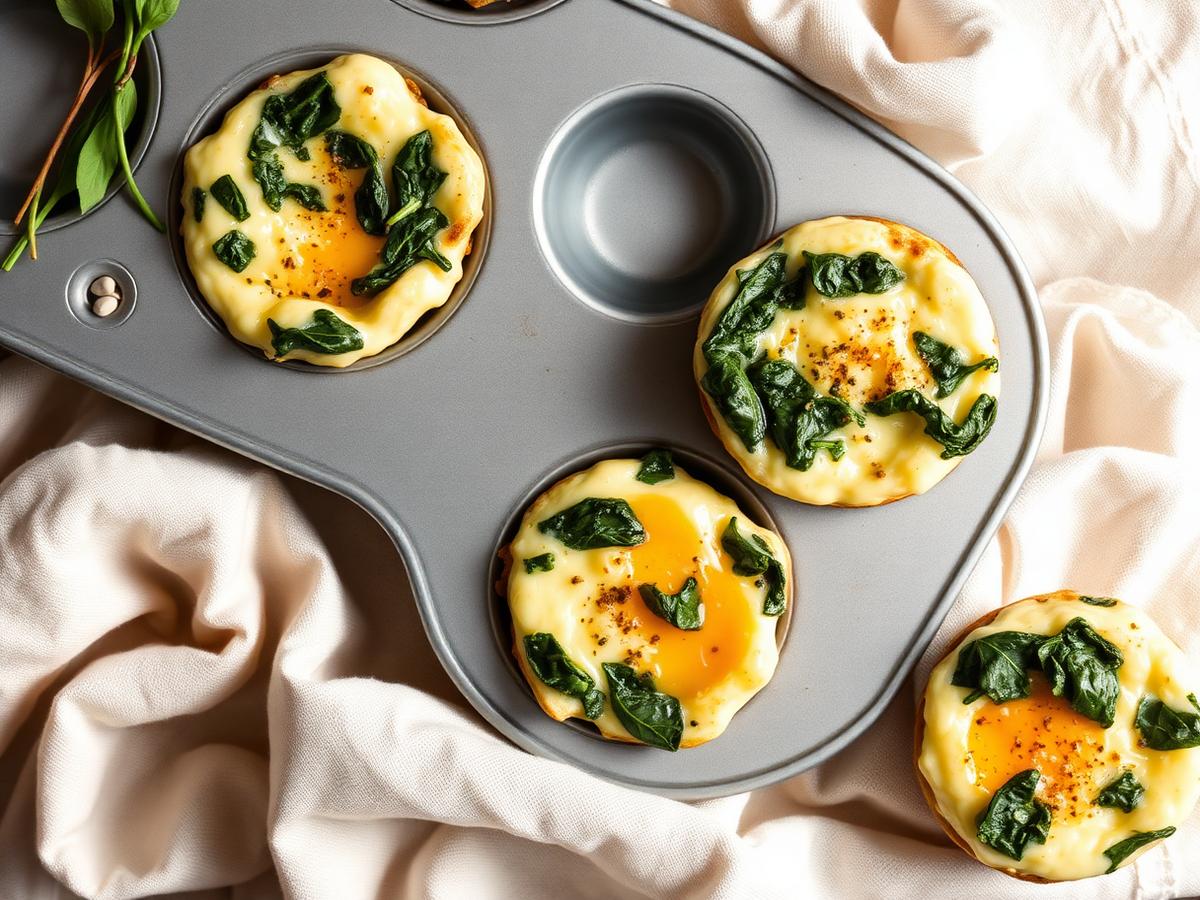
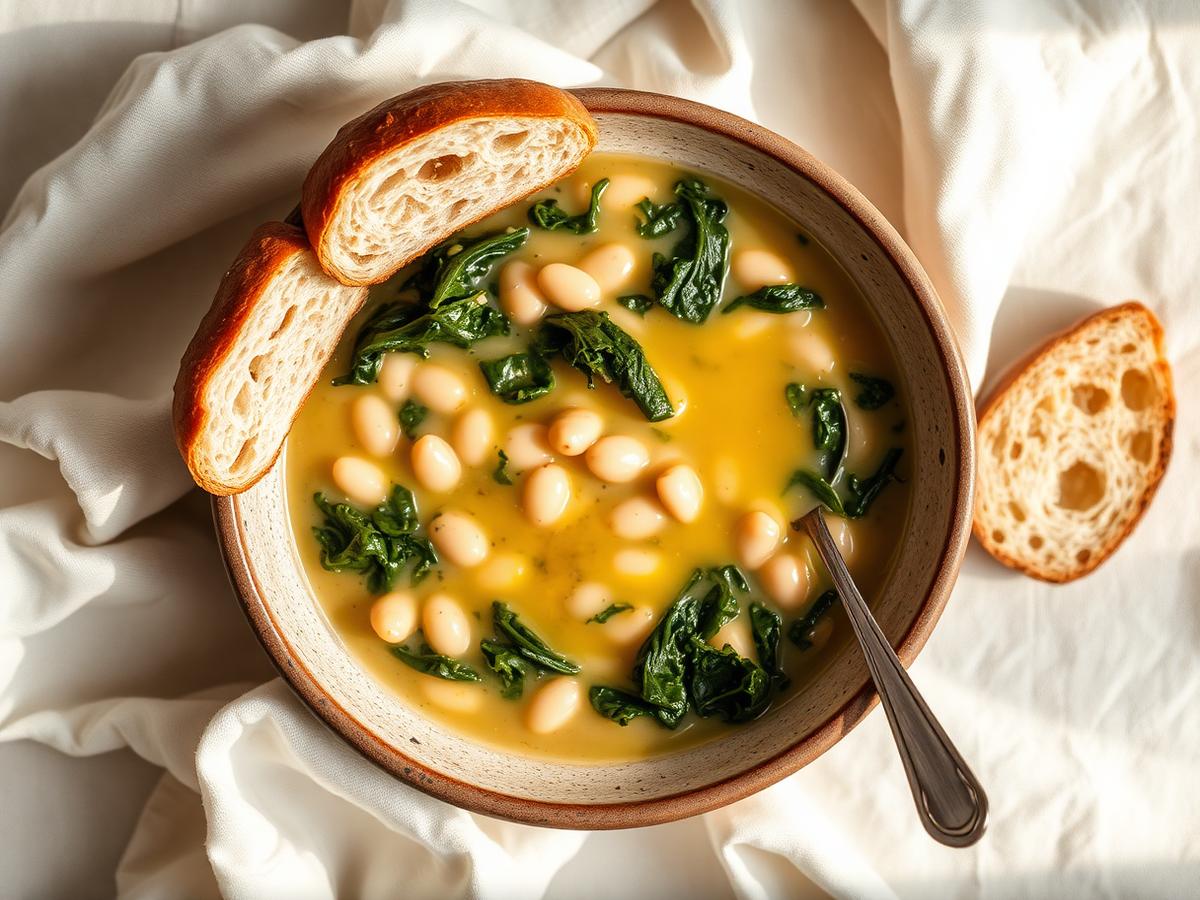
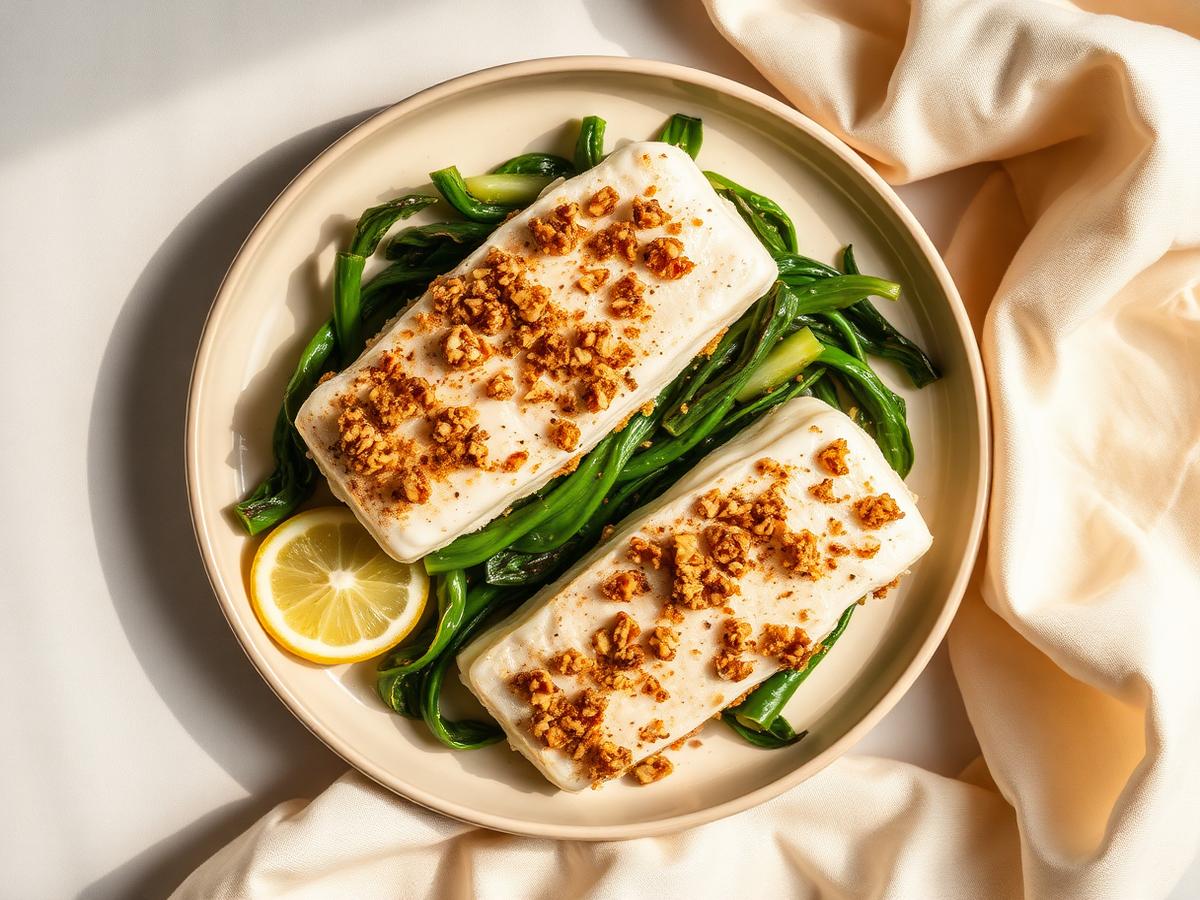
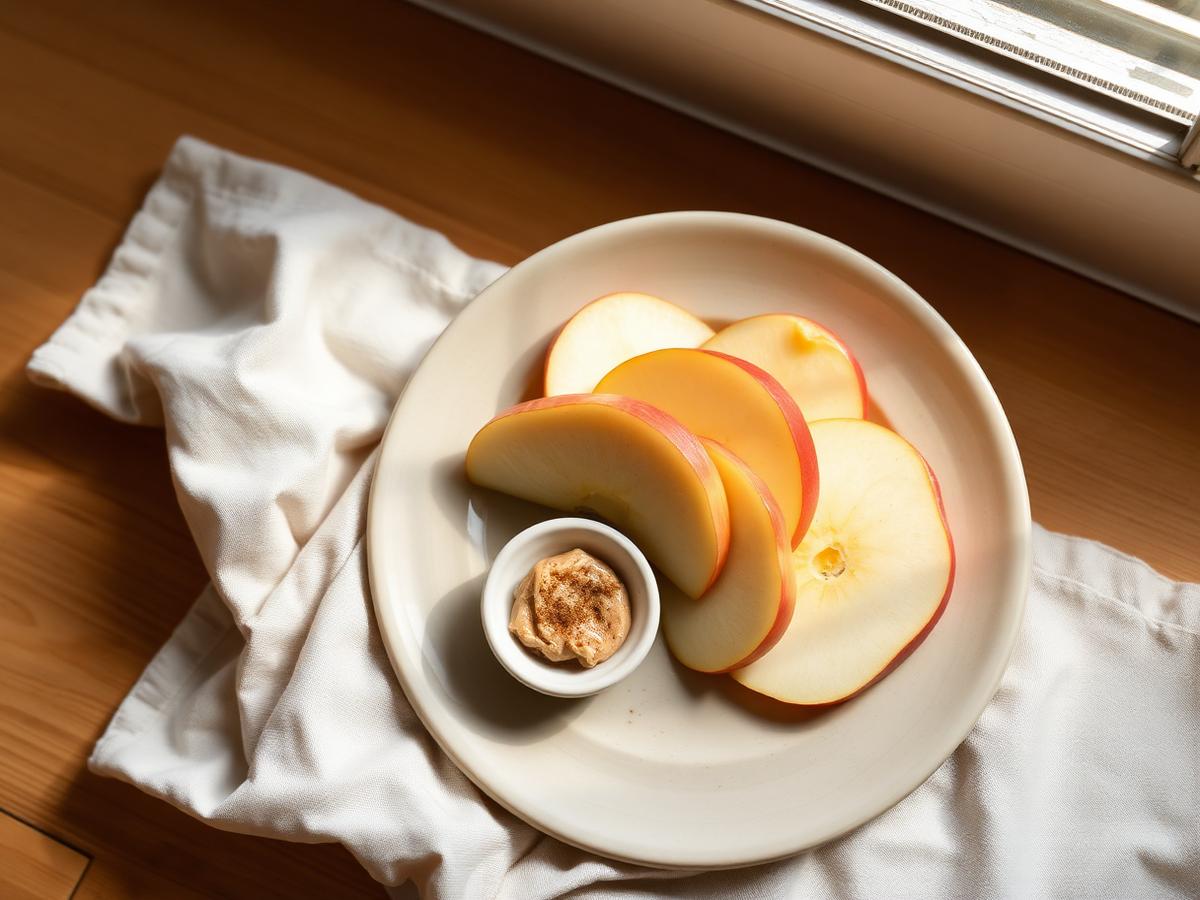
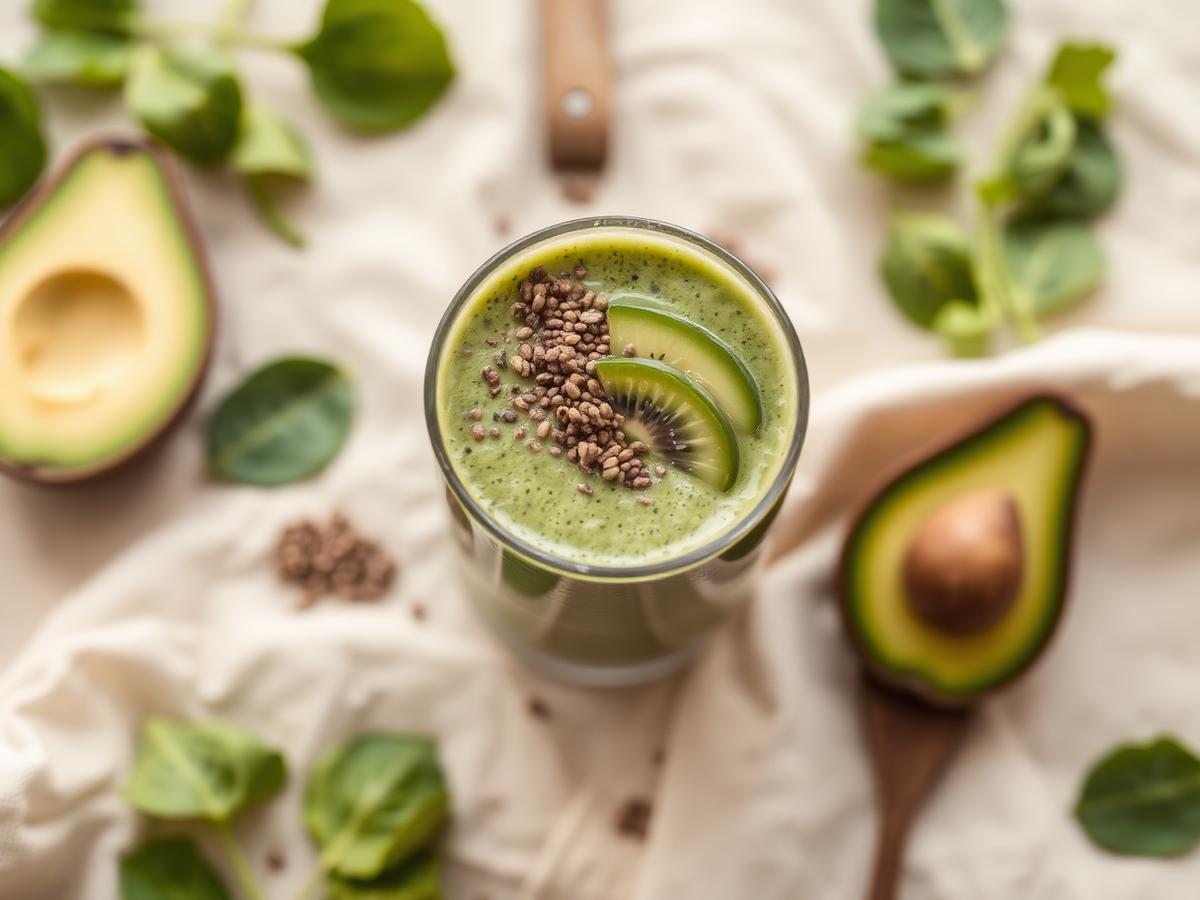
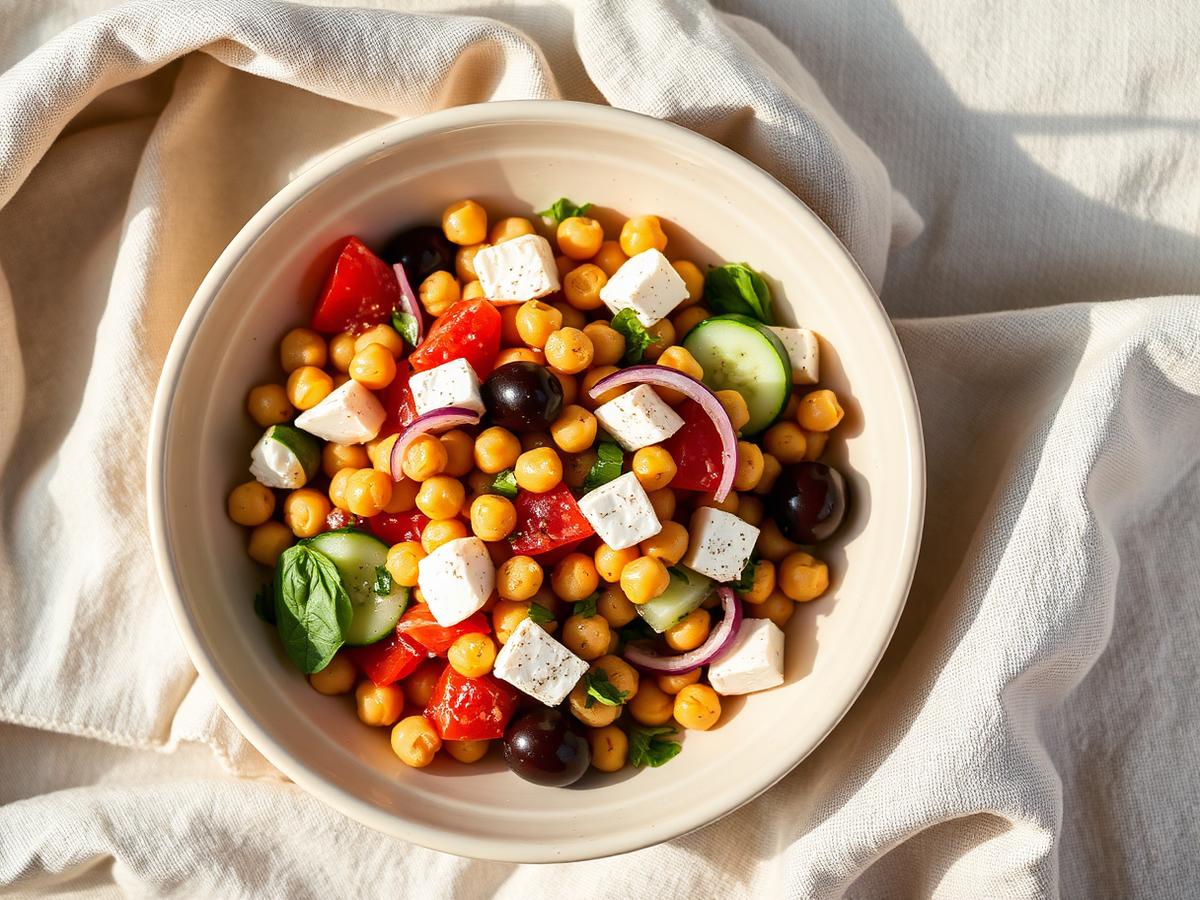
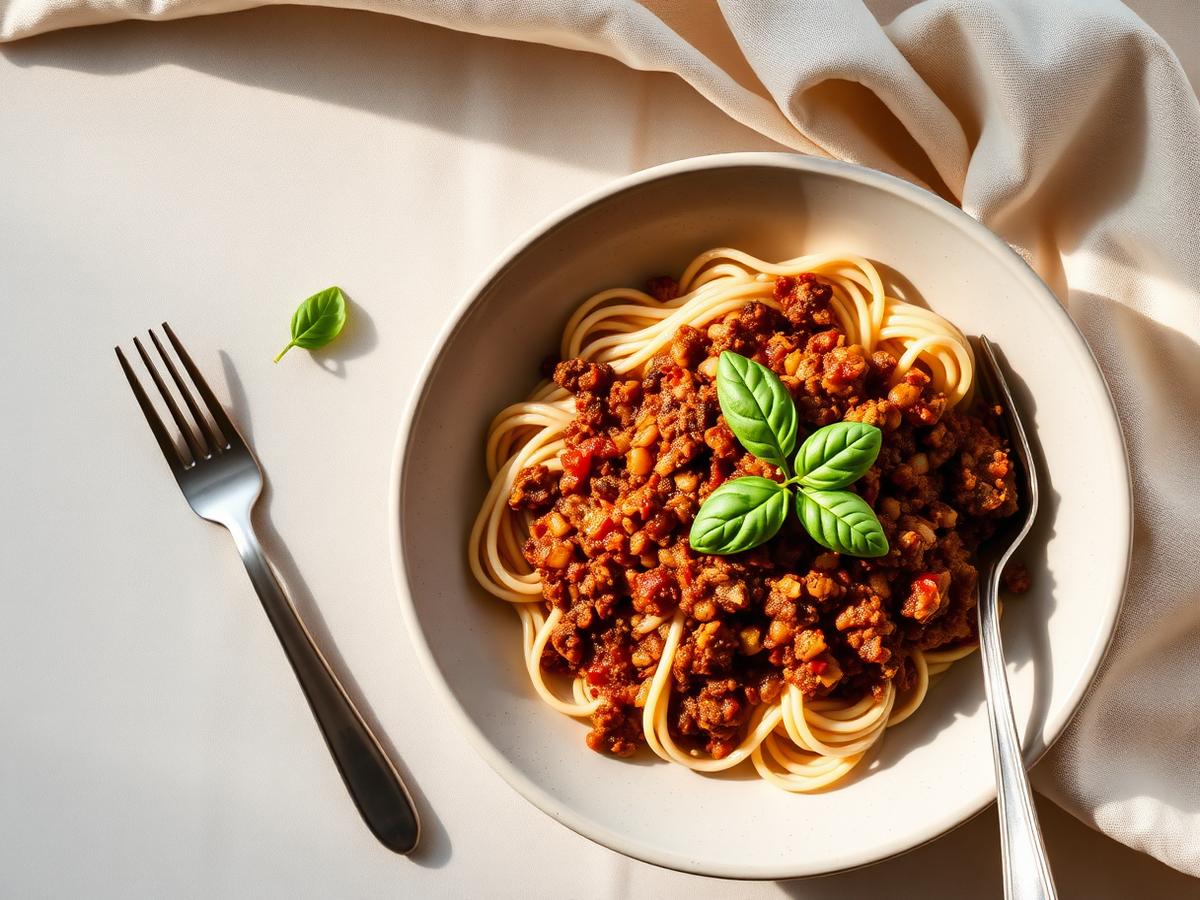
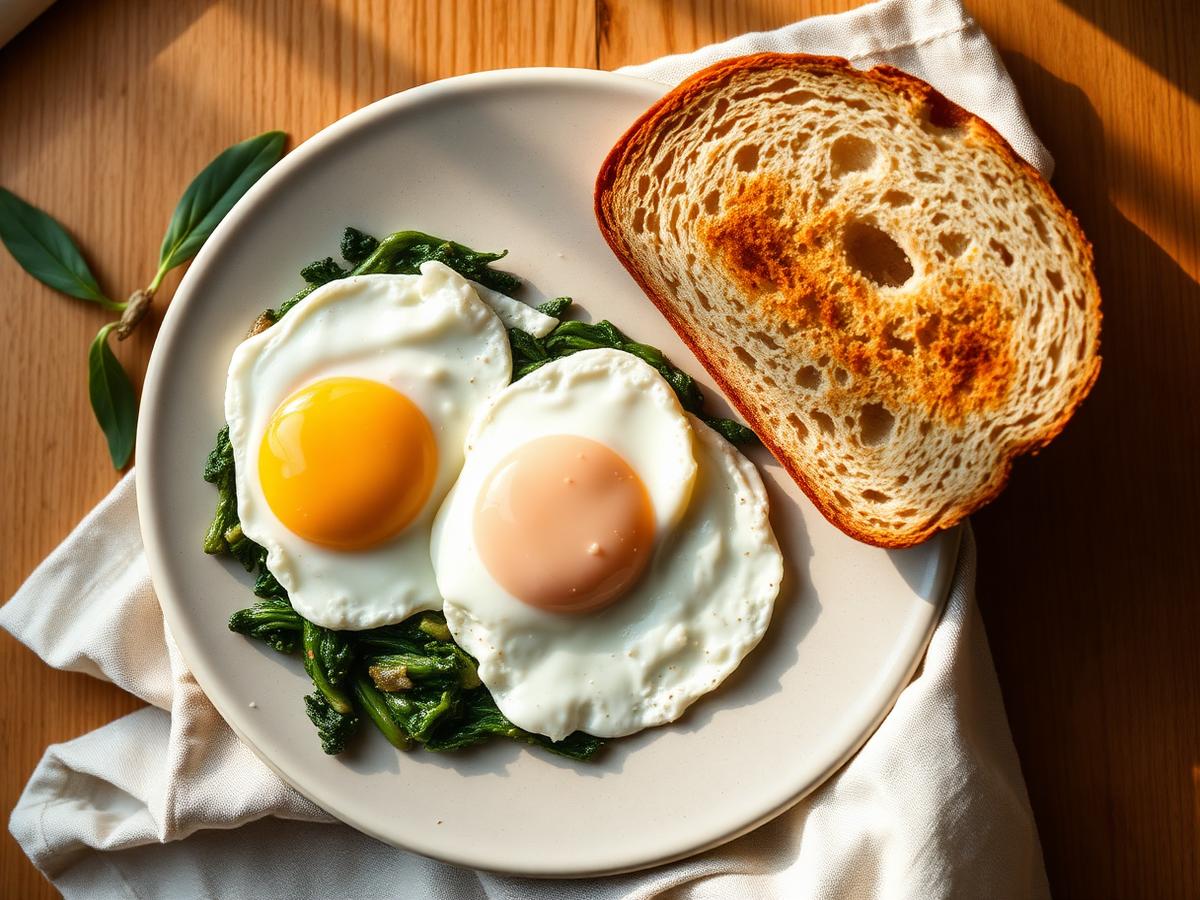
Each day lands 100-120 g of protein, 28-35 g of fiber, and calcium from at least three separate sources. Portions are for one adult woman; scale up for the household. If a day does not suit you, swap it with another day, the plan is built so any day can move.
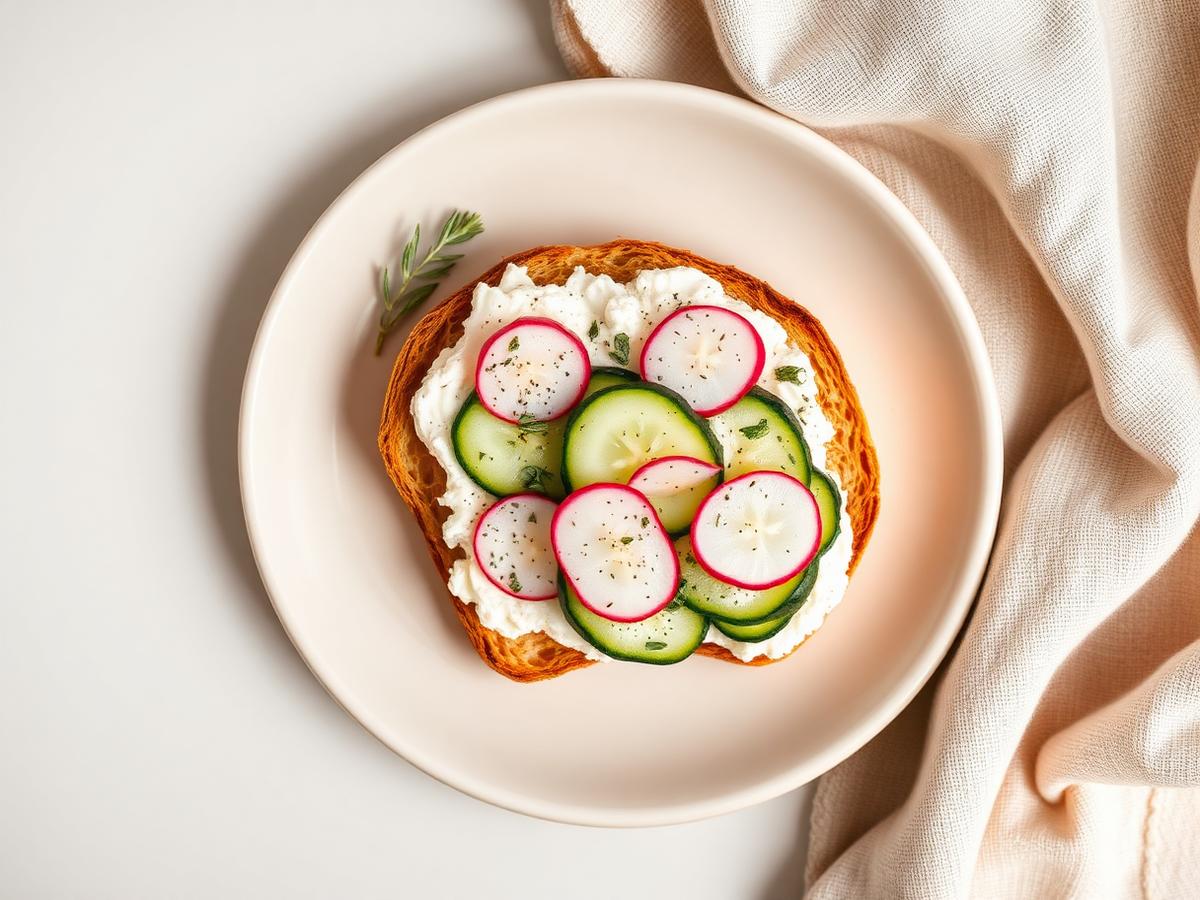
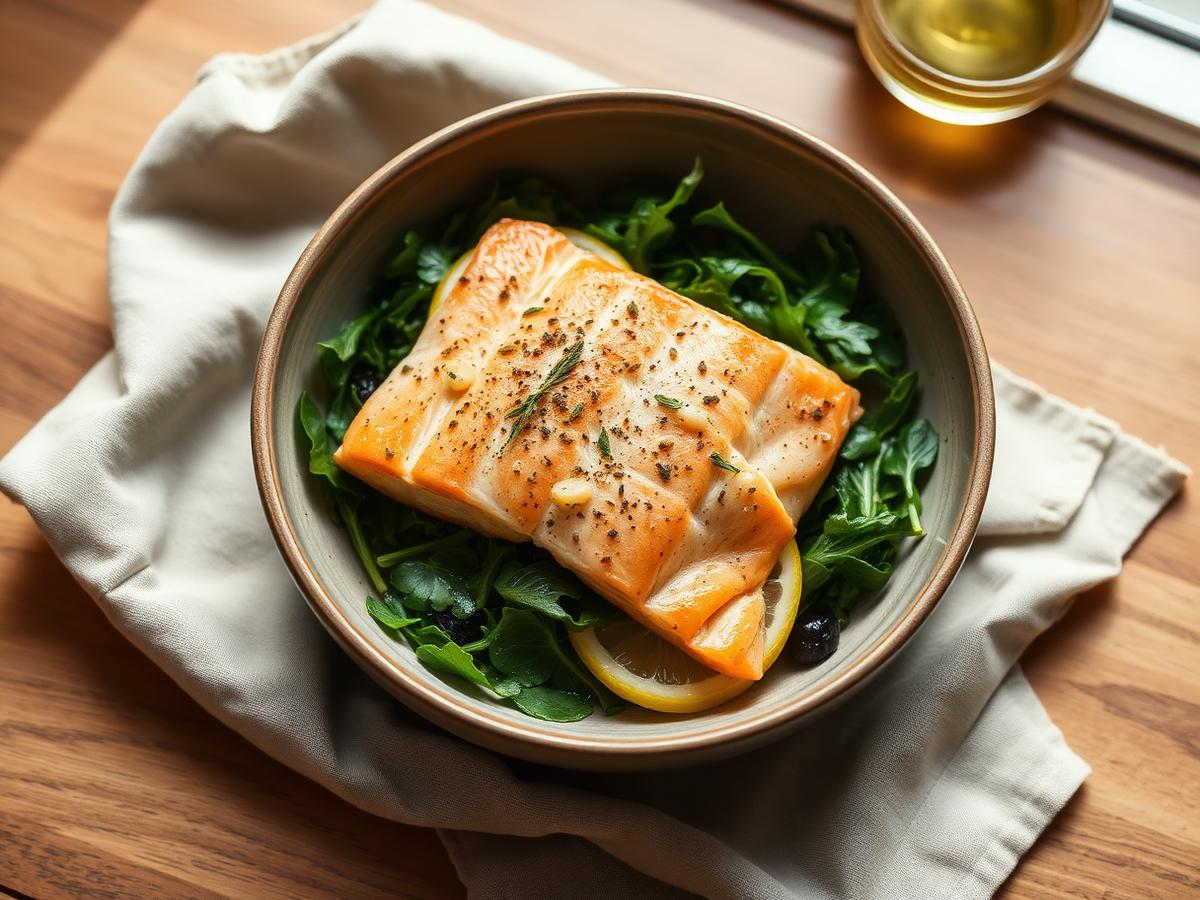
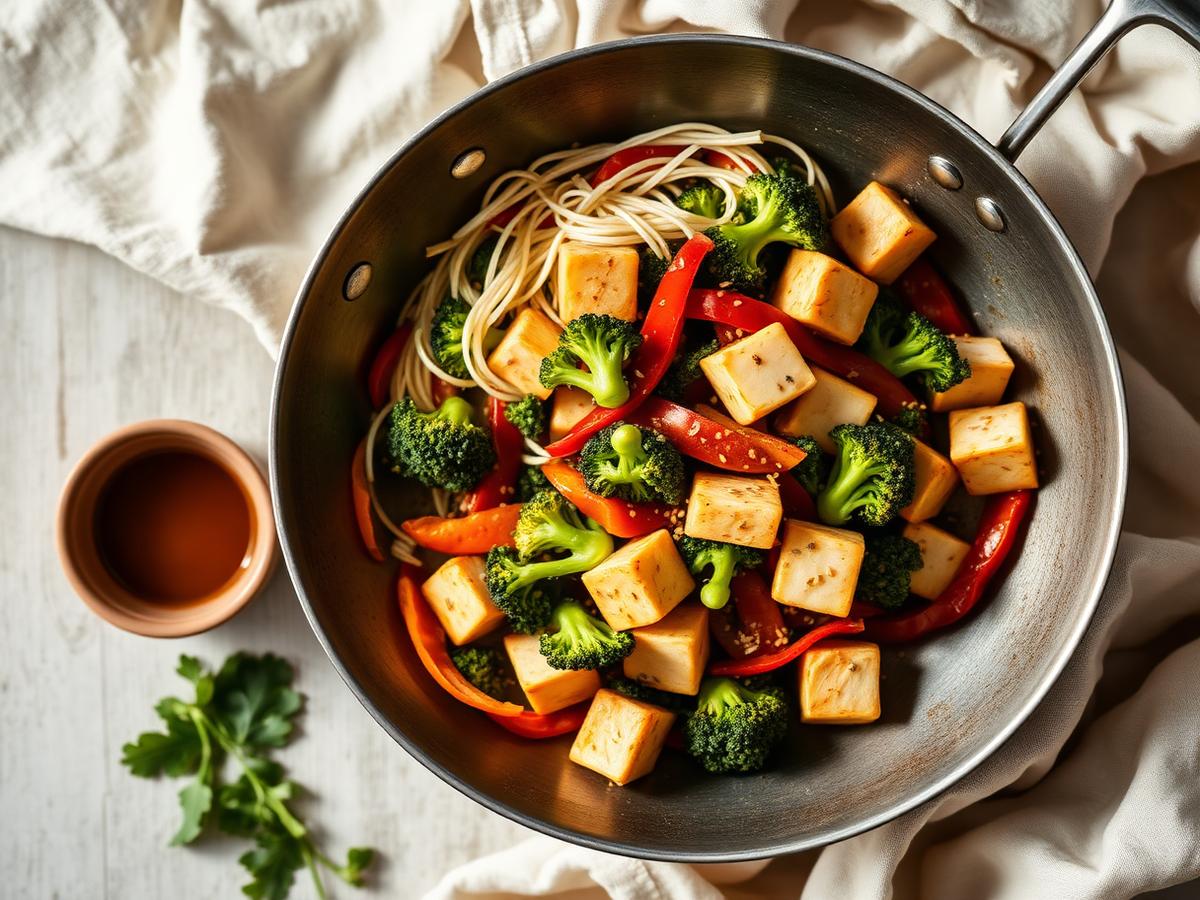
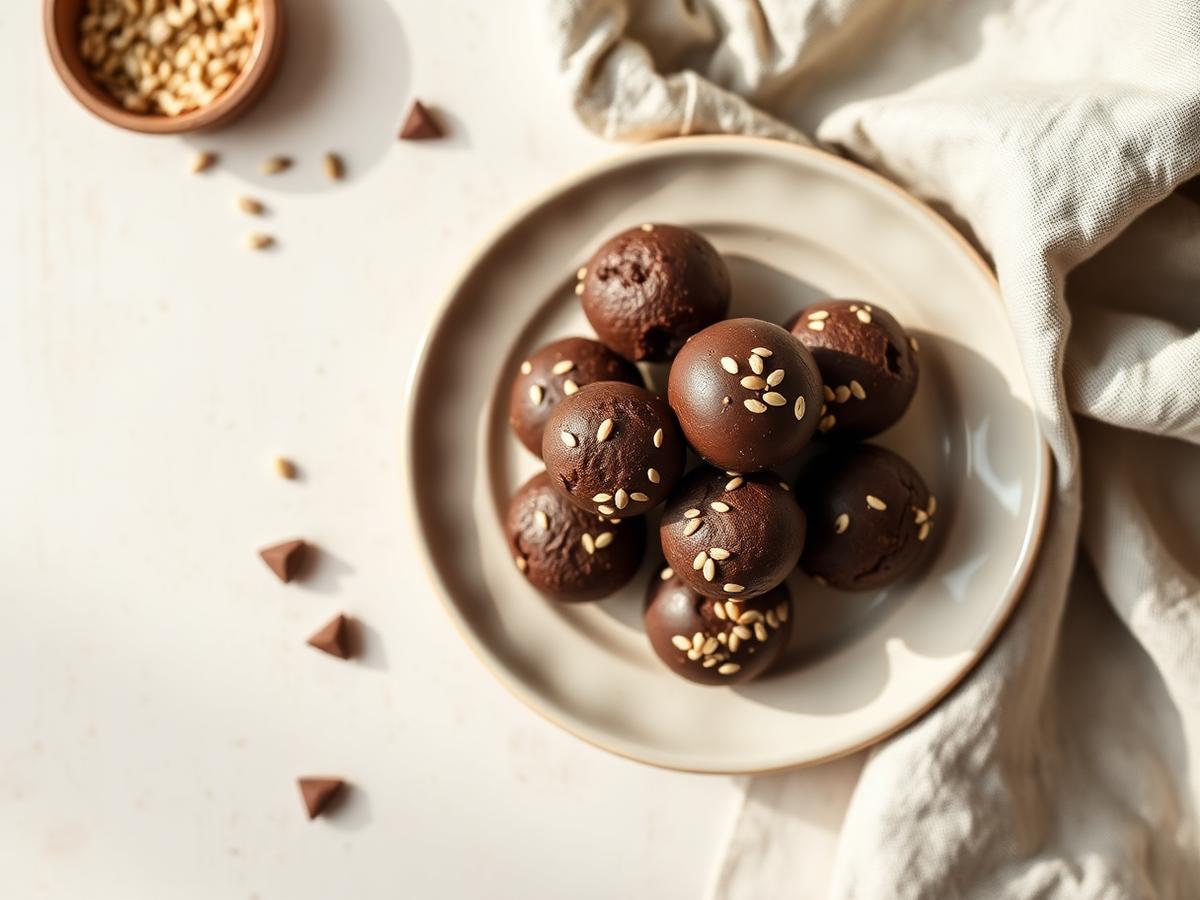
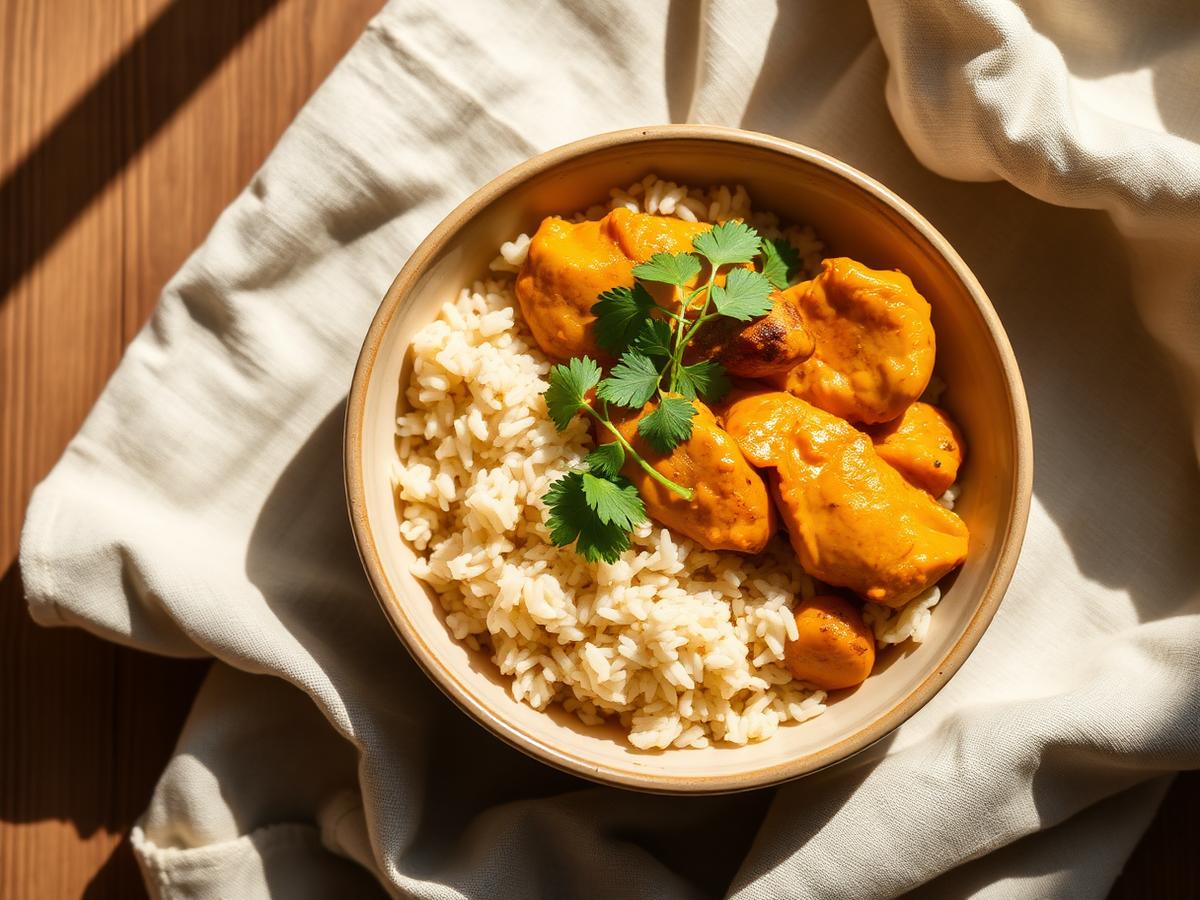
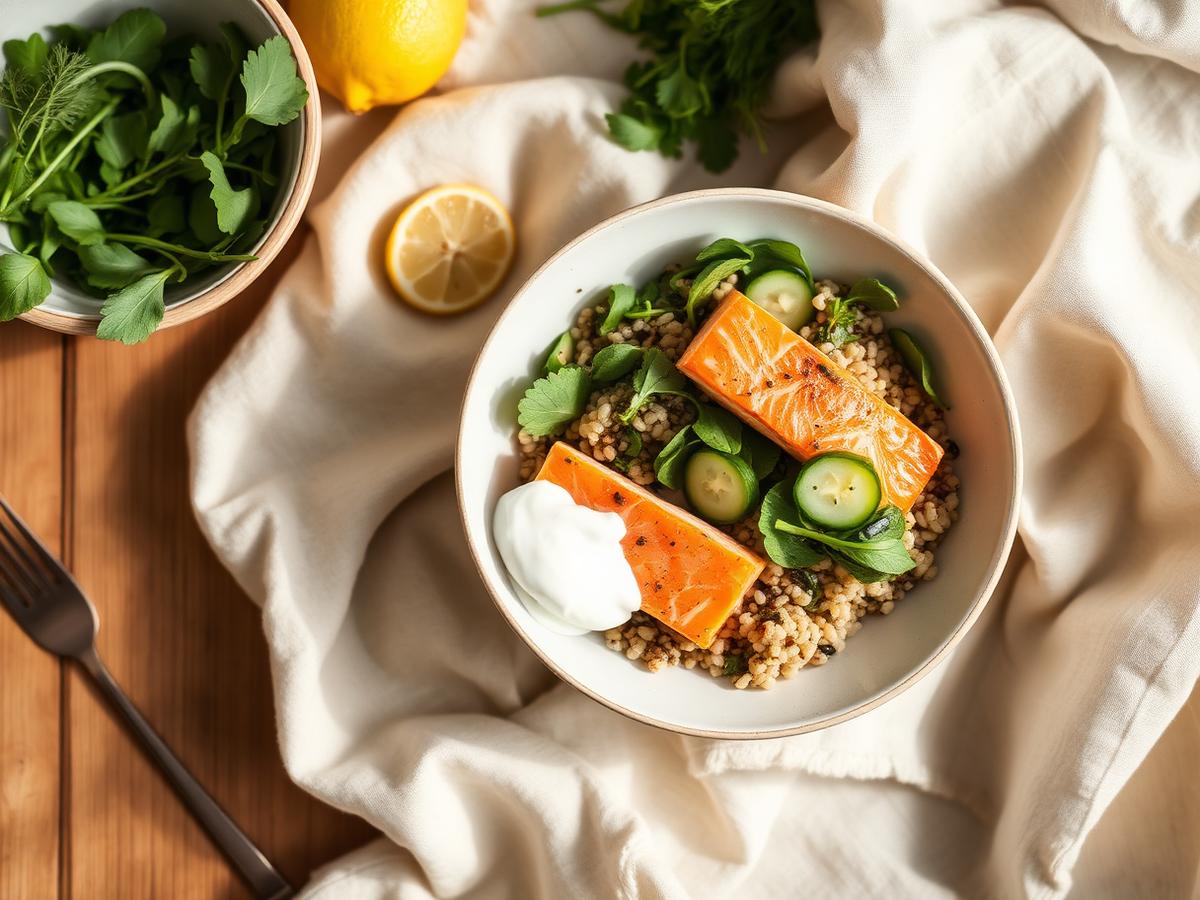
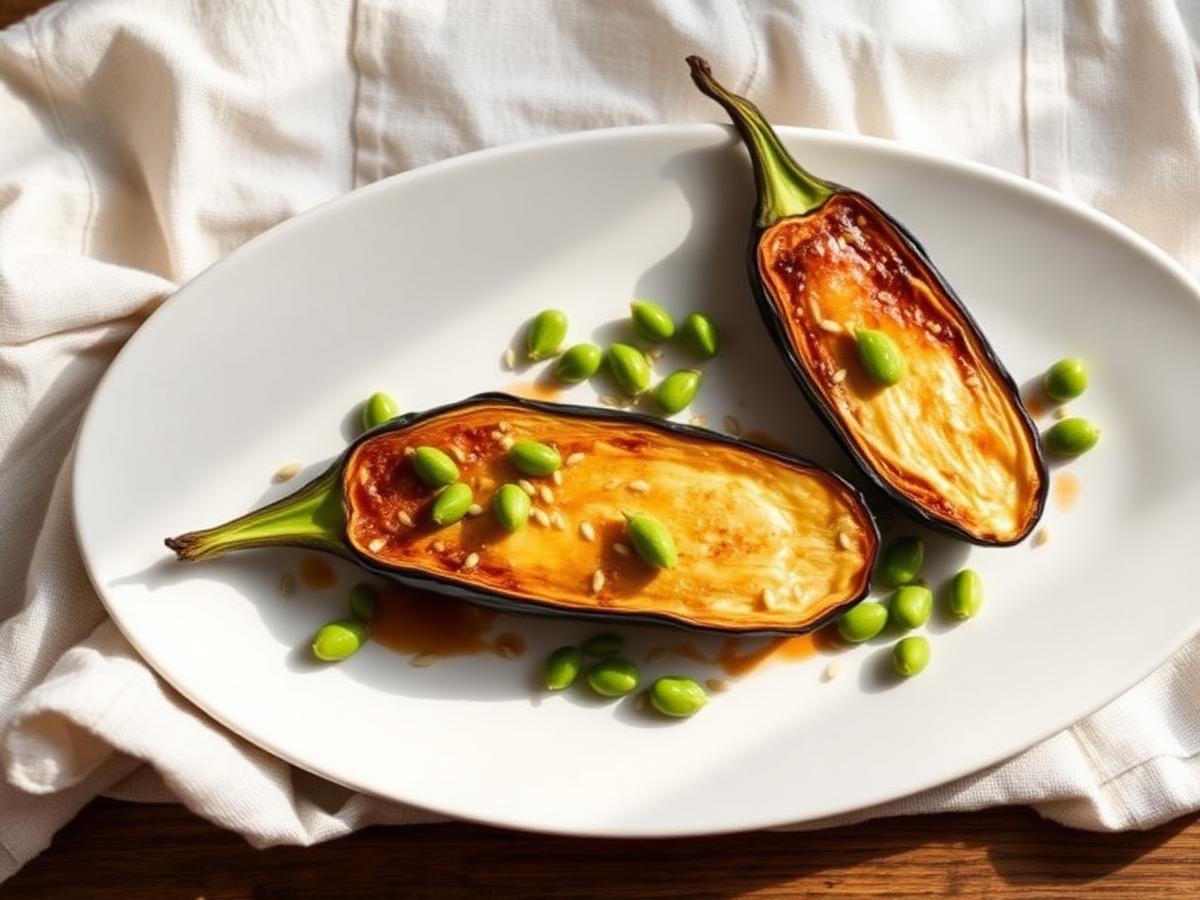
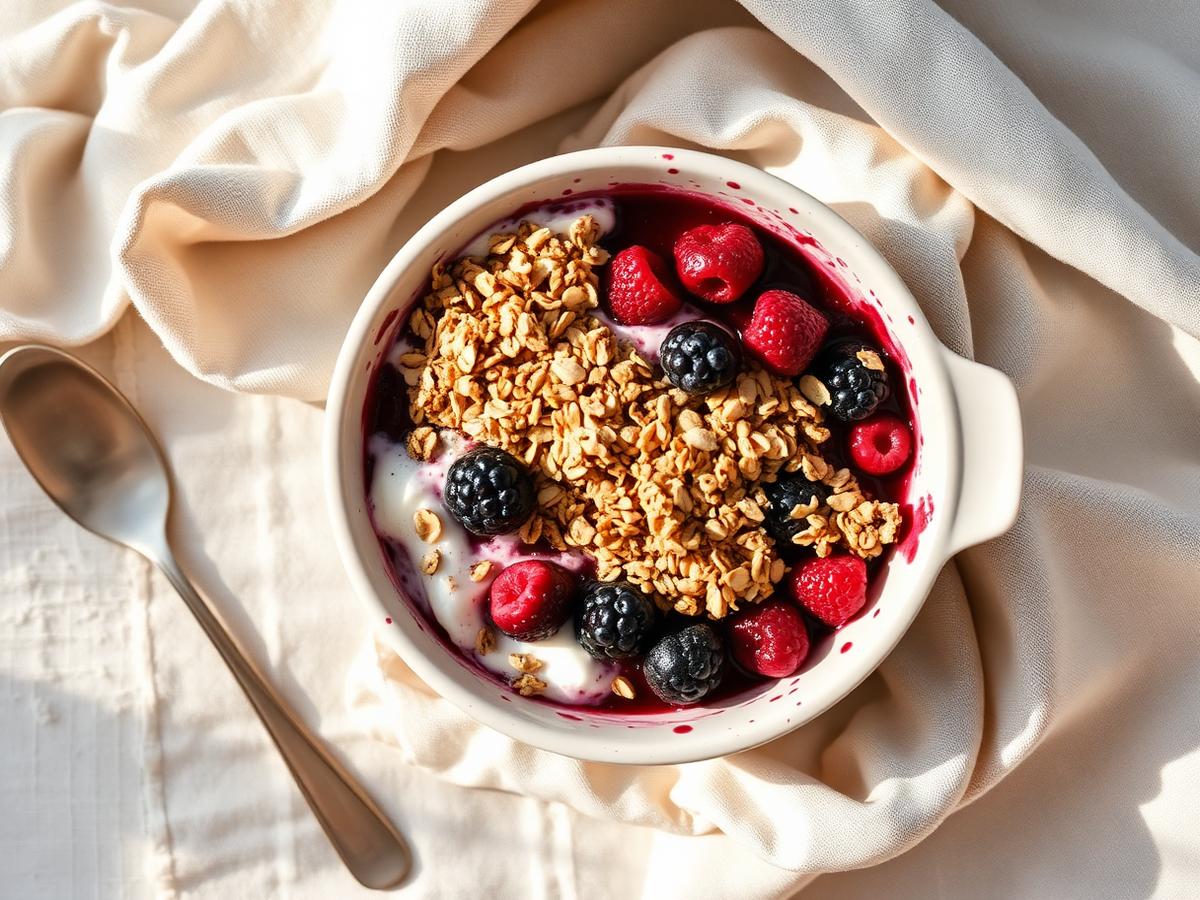
Every meal below is a full recipe on this site. Tap any card for the ingredients, the numbered method, the macros, and the reason it earns its place in the week.
Monday
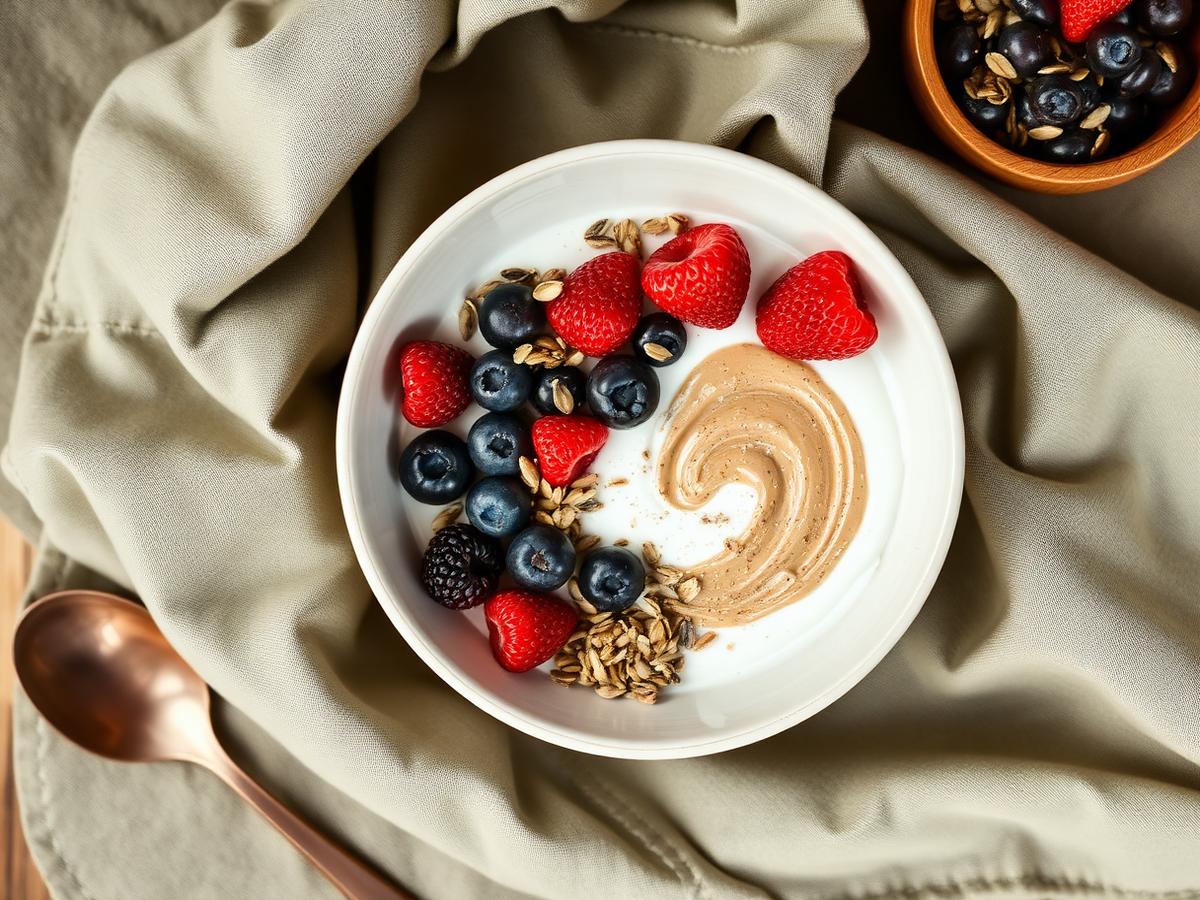
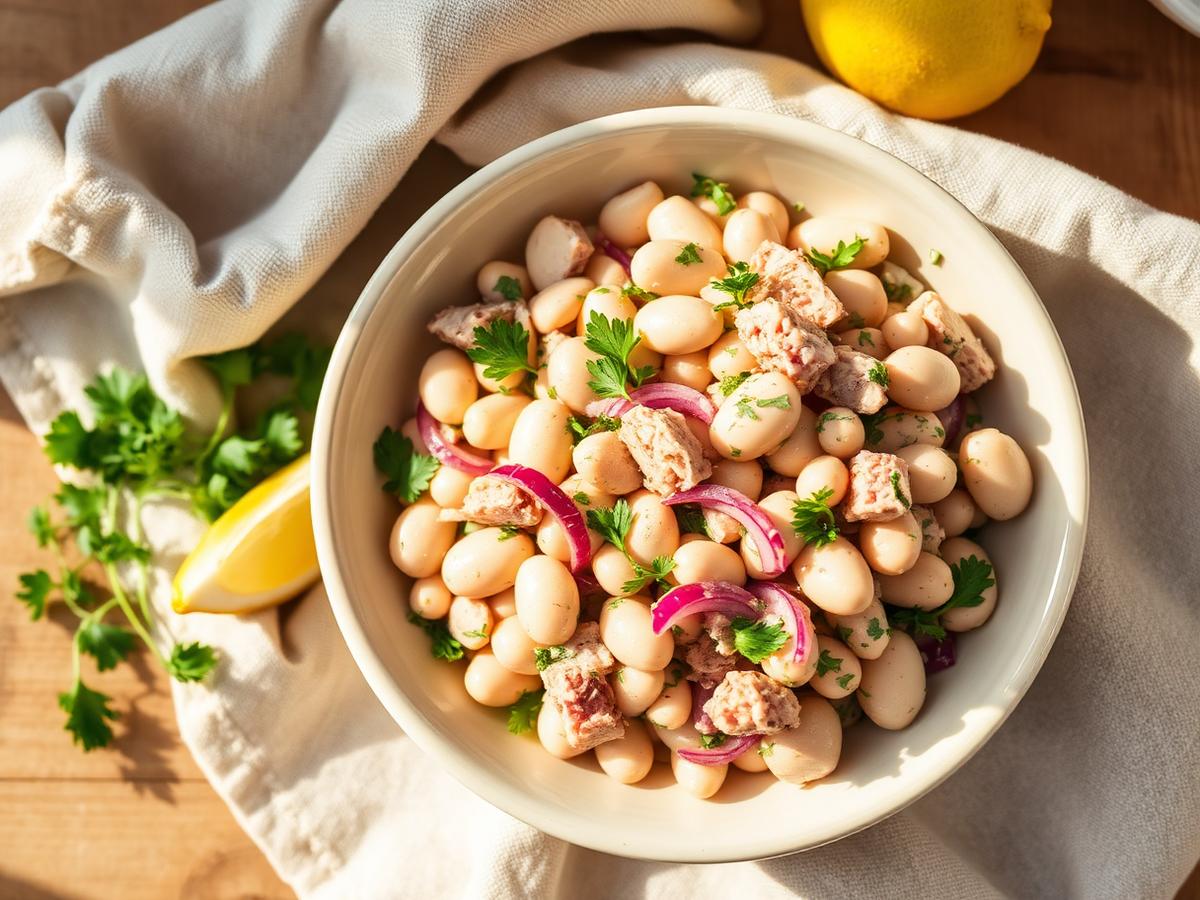
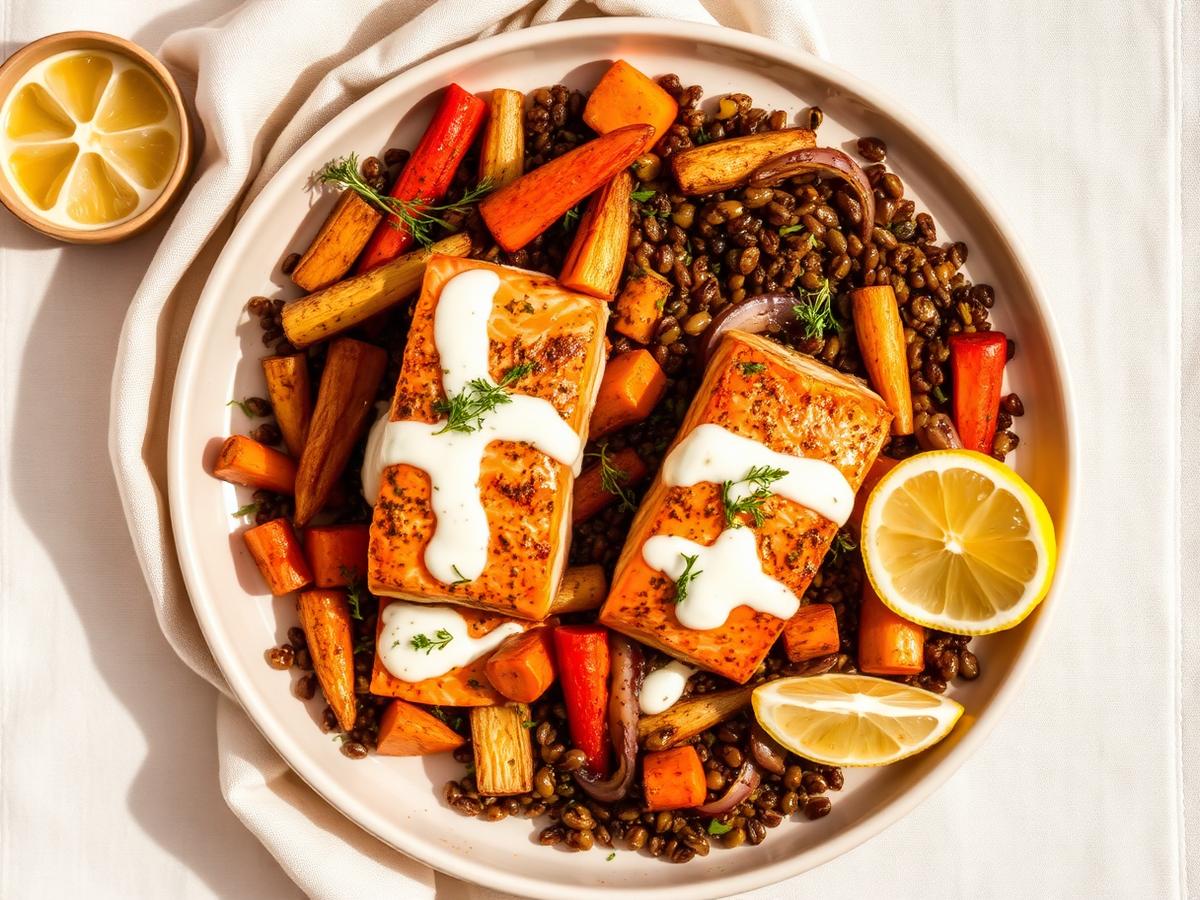
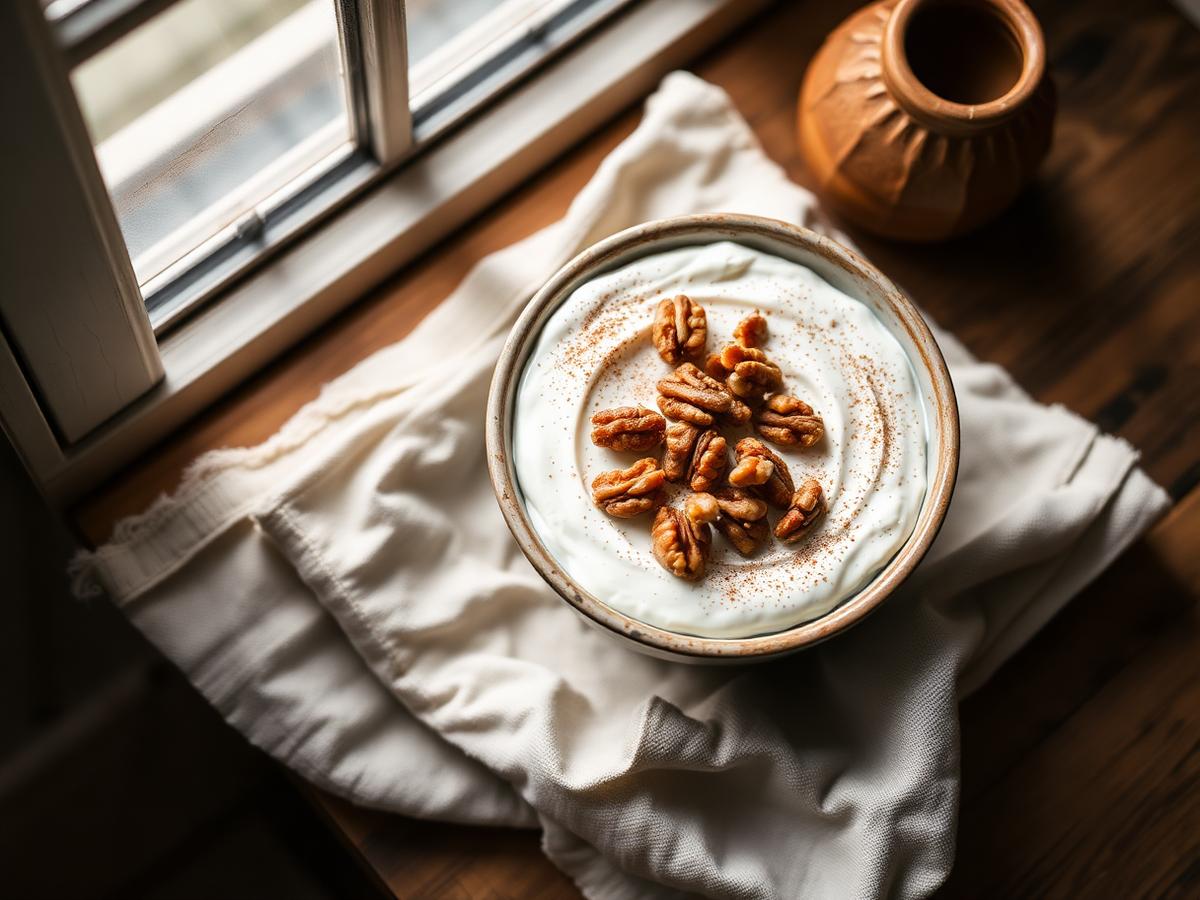
Tuesday
Wednesday
Thursday
Friday

Saturday
Sunday
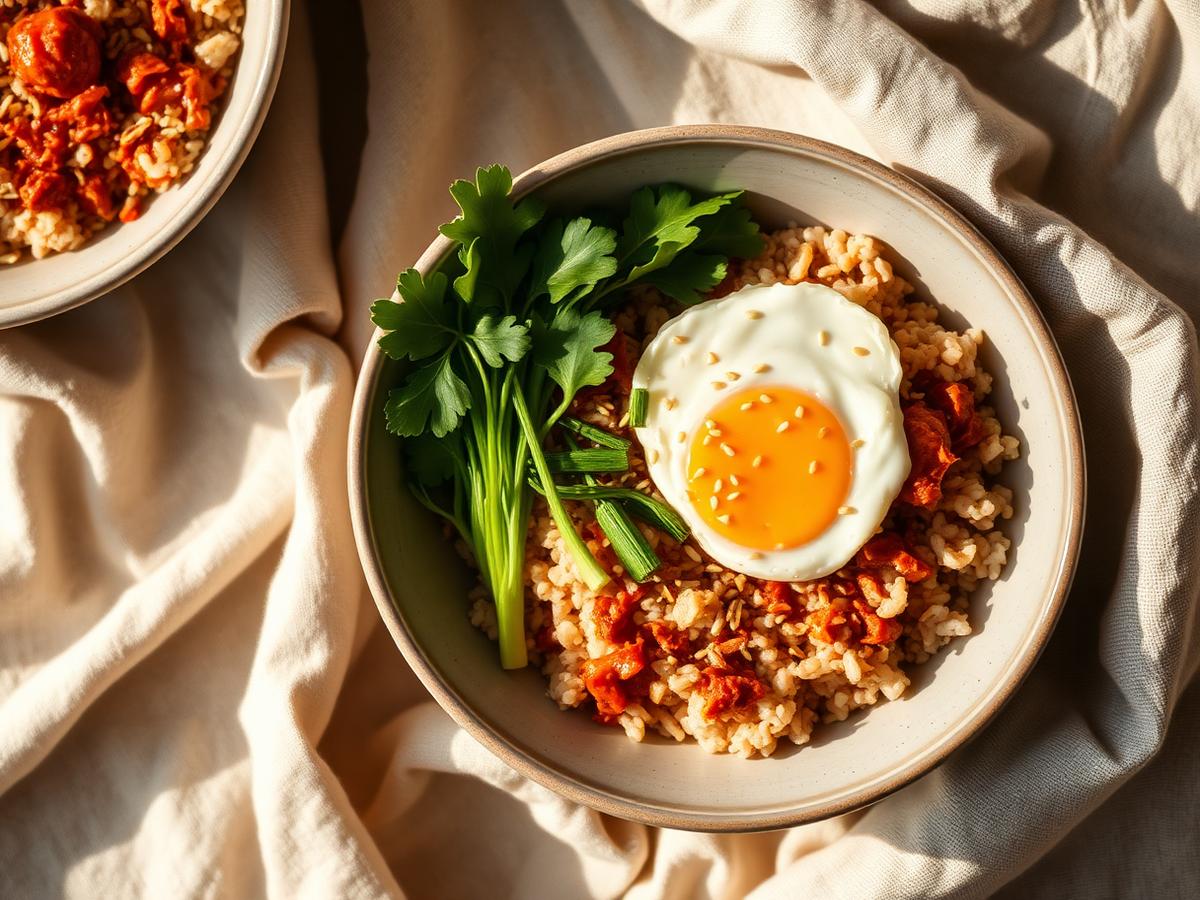
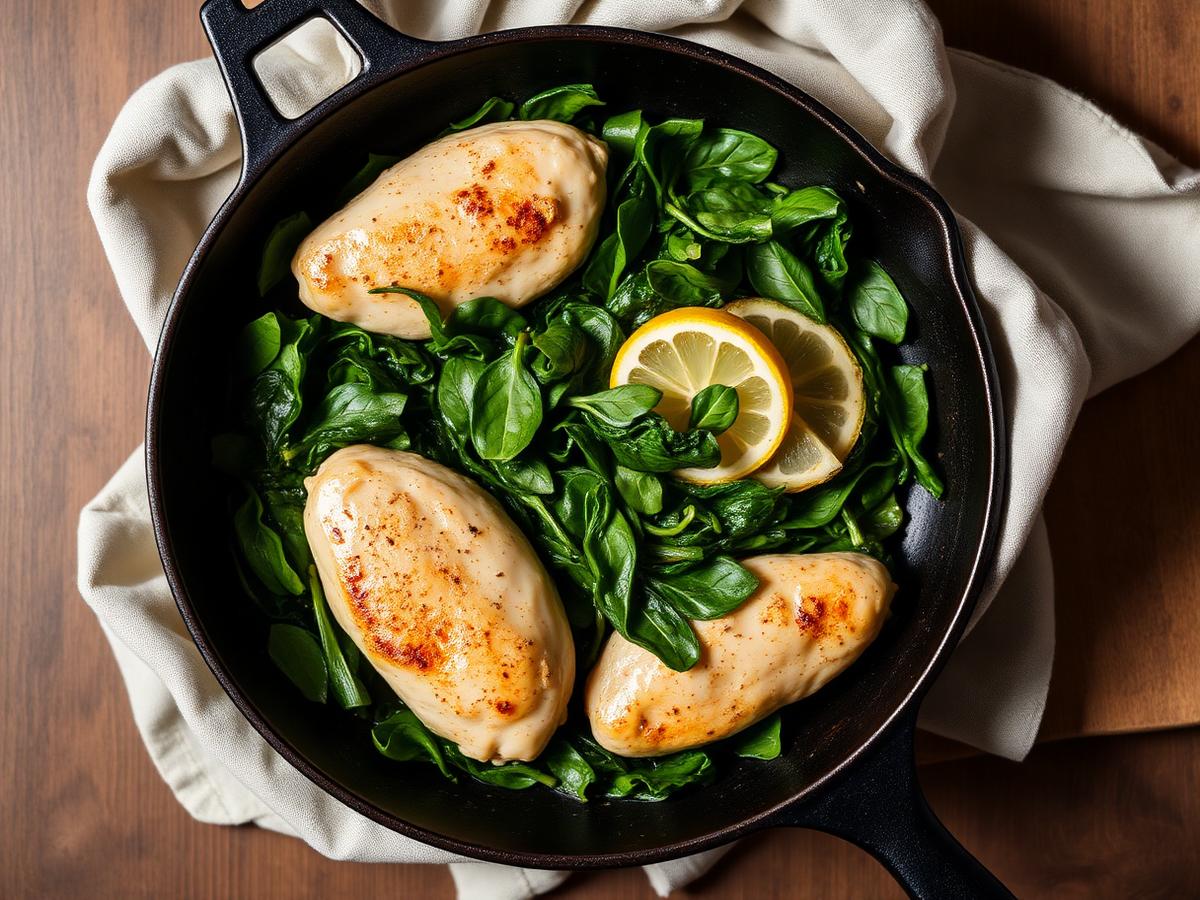
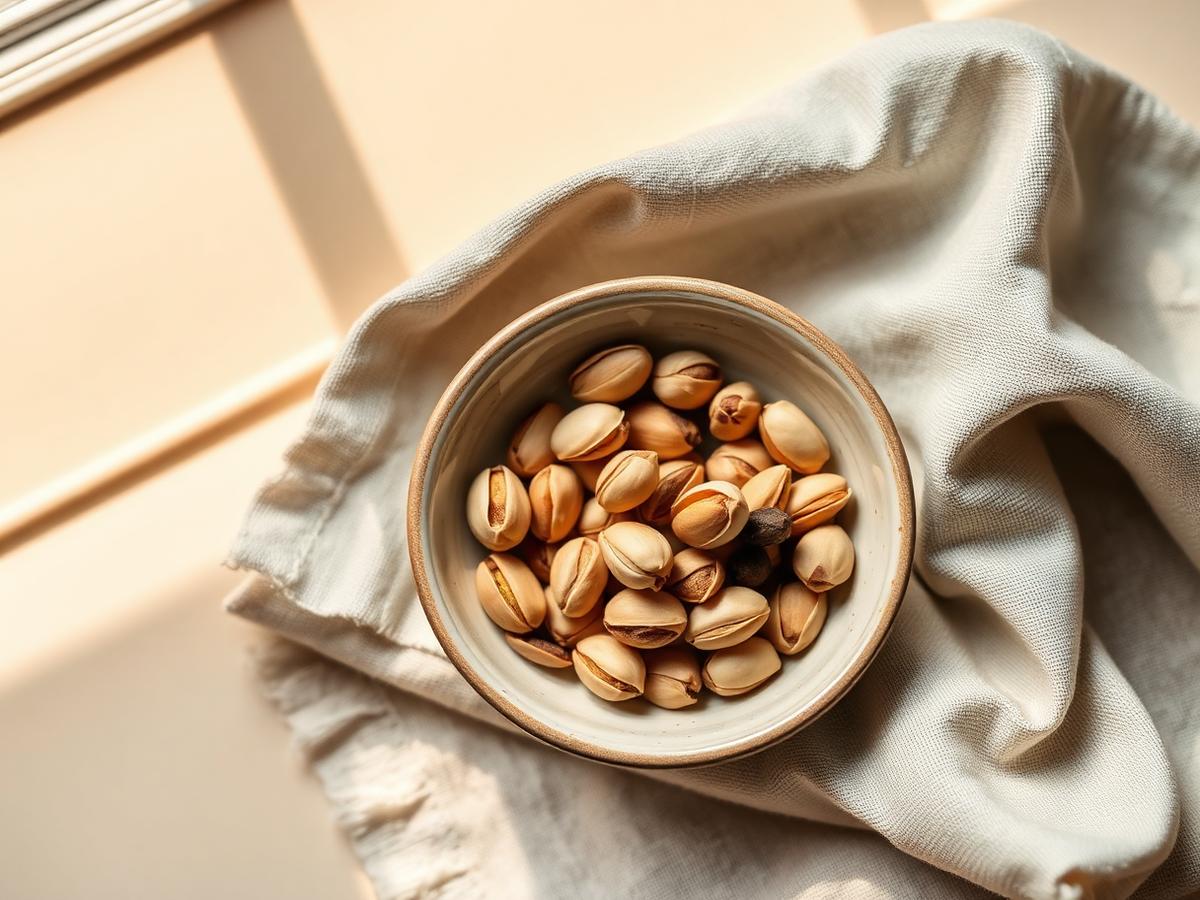
One trip, organised by aisle
04The grocery list
Buy once. Cook all week. Quantities assume one person eating this plan with leftovers rolling forward; double the proteins for two.
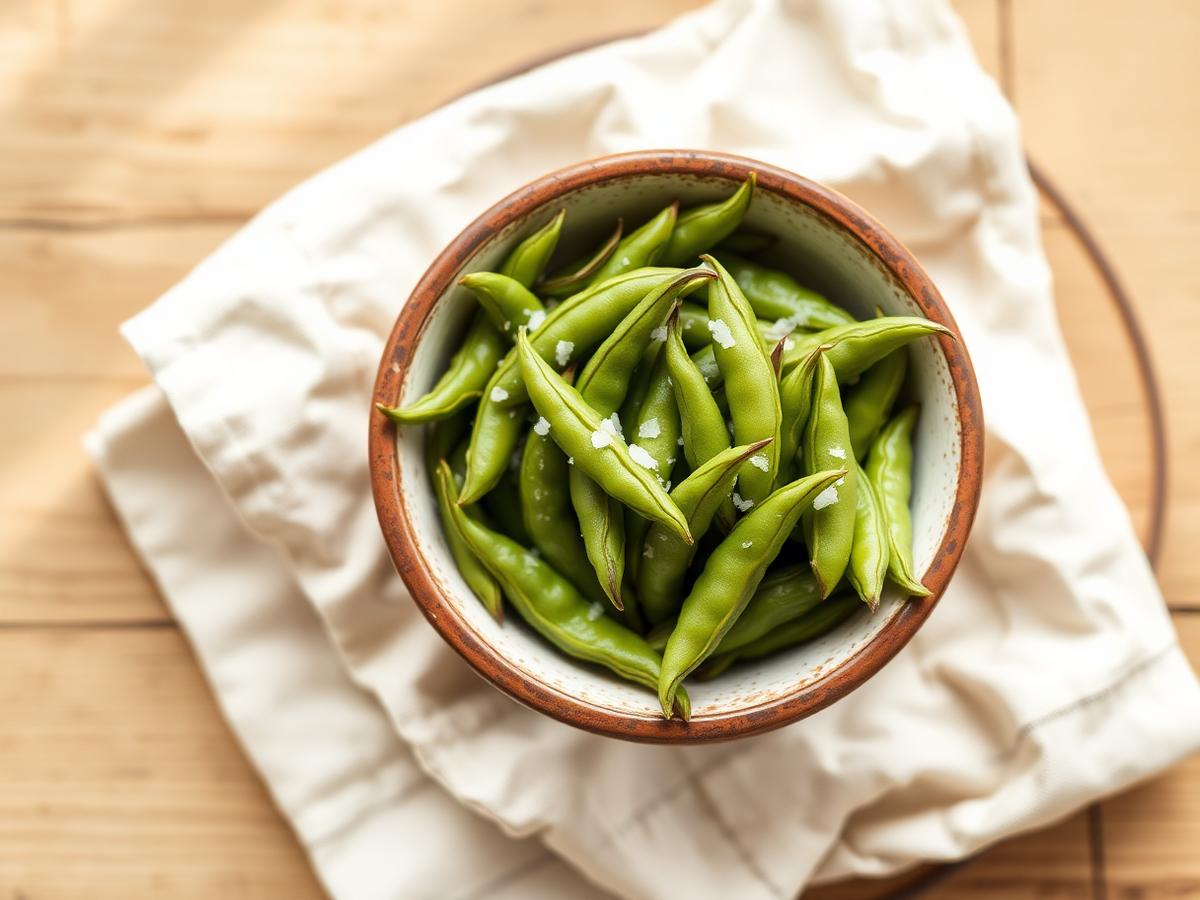
- Protein: salmon (4 fillets), cod (2 fillets), chicken thighs (2 lb), eggs (1 dozen), canned tuna (2), cottage cheese (2 tubs), Greek yogurt (large), kefir (1 quart), tofu or edamame (1 bag)
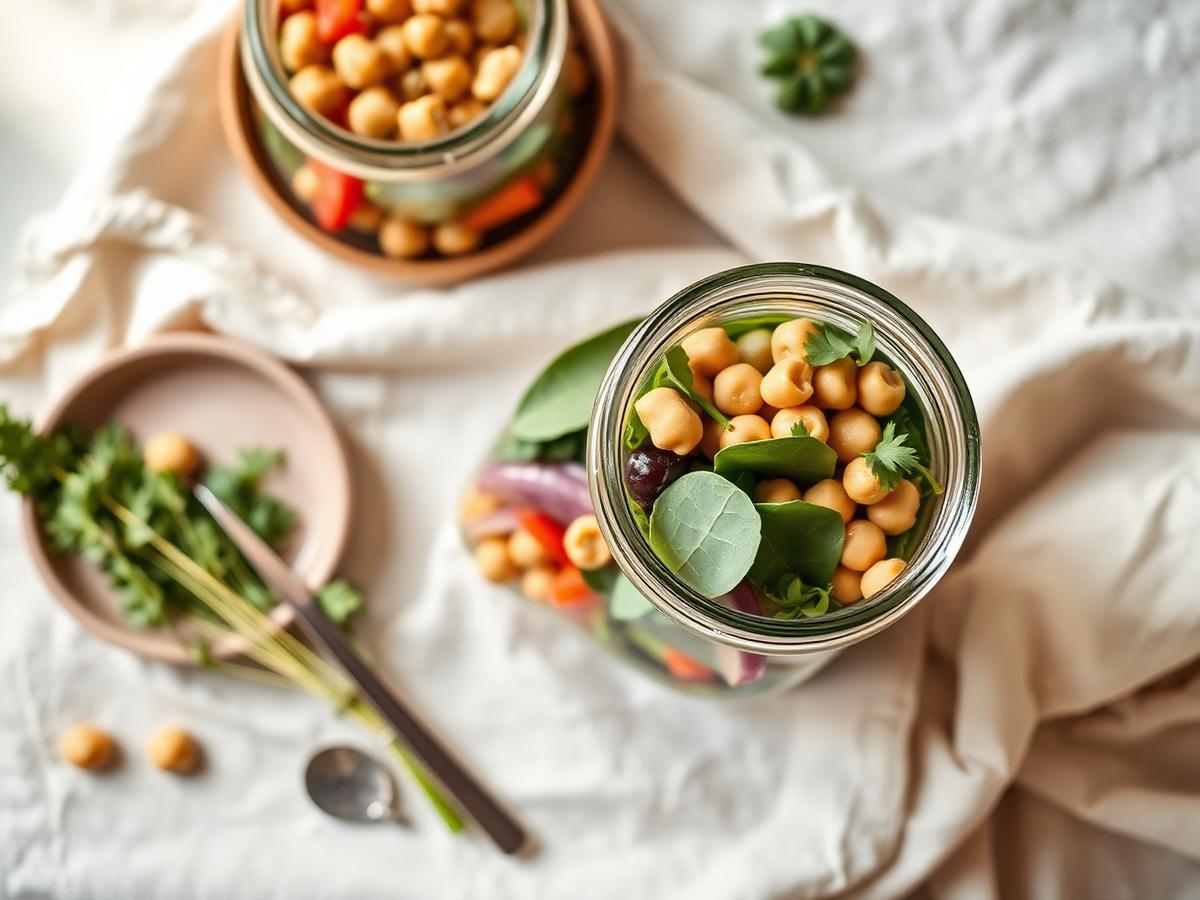
- Legumes and grains: canned chickpeas (2), white beans (2), lentils (2), brown rice, rolled oats, sourdough or seeded bread
- Produce: kale, spinach, rocket, broccoli, carrots, red onion, cauliflower, eggplant, courgette, tomatoes, cucumber, lemons, berries, apples, bananas, fresh ginger, garlic, dill, parsley
- Fats and flavour: extra virgin olive oil, tahini, walnuts, almonds, pistachios, chia, ground flax, feta, miso, kimchi, turmeric, smoked paprika, 85% dark chocolate
Two hours that buy back your week
05The Sunday prep session
This is the single highest-leverage habit in the entire plan. Do not cook seven days of finished meals, build components that assemble into meals in five minutes.
- Roast two trays: root vegetables on one, broccoli and cauliflower on the other
- Cook one pot of grain: brown rice or farro, cooled and stored flat
- Cook one pot of protein: chicken thighs or a batch of lentils
- Make one sauce: herb yogurt or lemon tahini, it turns components into a meal
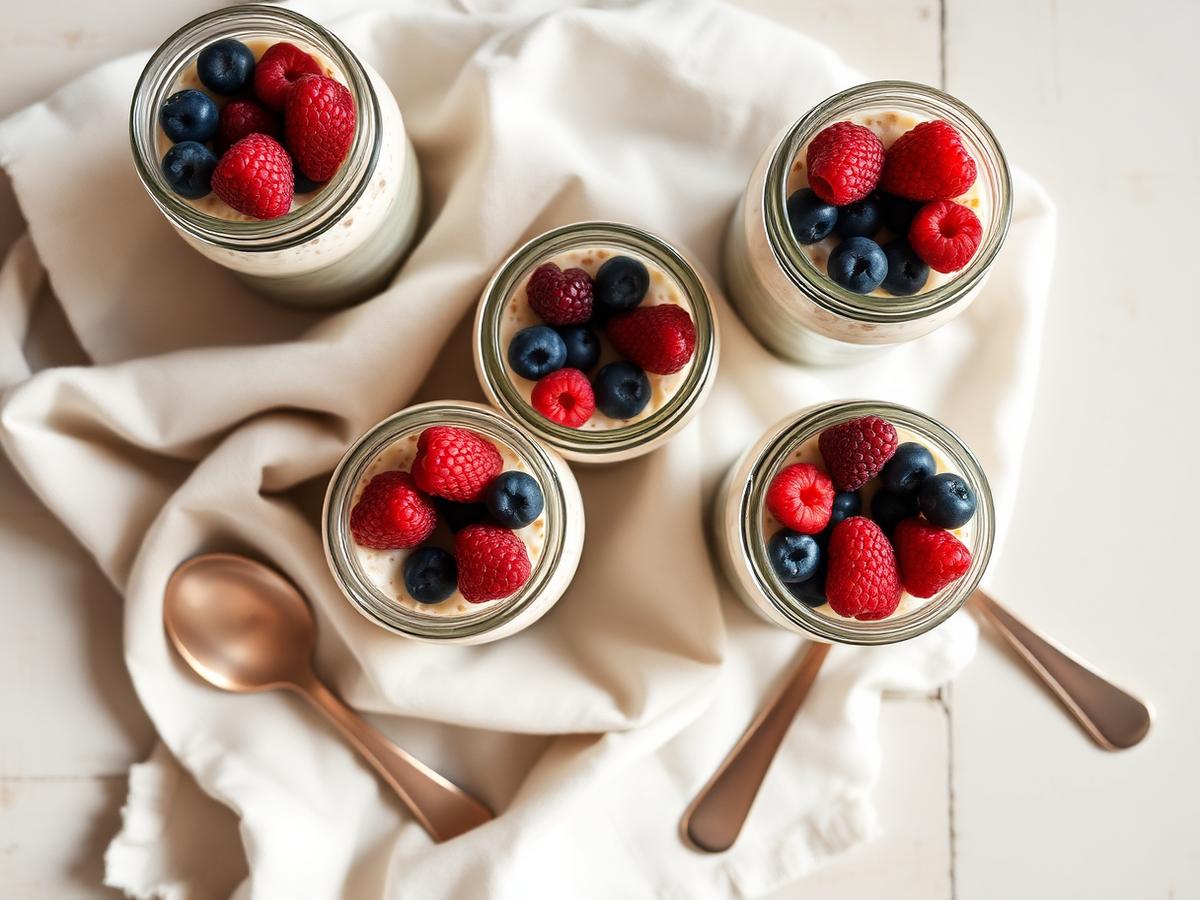
- Wash and dry greens, portion nuts, and set out three jars of overnight oats
When something specific is bothering you
06Symptom troubleshooting
Use these as adjustments to the plan, not replacements for it. Nutrition changes are supportive; if symptoms are significantly affecting your life, talk to a clinician about the full range of options including hormone therapy.
- Hot flashes: reduce alcohol and very hot drinks in the evening, add a daily soy or flax source, keep dinner earlier and lighter.
- Sleep: front-load carbohydrate earlier in the day, keep caffeine before noon, add magnesium-rich foods, pumpkin seeds, dark leaves, dark chocolate.
- Brain fog: protein at breakfast, oily fish twice weekly, hydration before caffeine, and a short walk after meals.
- Midsection weight: protein first at each meal, prioritise strength training, and audit liquid calories before touching portion sizes.
- Joint aches: olive oil daily, oily fish twice weekly, and colour at every meal, the anti-inflammatory pattern is the lever here.
Put it on the plate
Start with these five moves
- 1.Weigh yourself once, then set your protein target and write it on the fridge.
- 2.Shop the list on Saturday. Prep on Sunday afternoon for two hours.
- 3.Eat protein within 90 minutes of waking, every day, no exceptions.
- 4.Walk 10 minutes after your largest meal.
- 5.Book two strength sessions into the calendar before the week begins.
Cook the guide
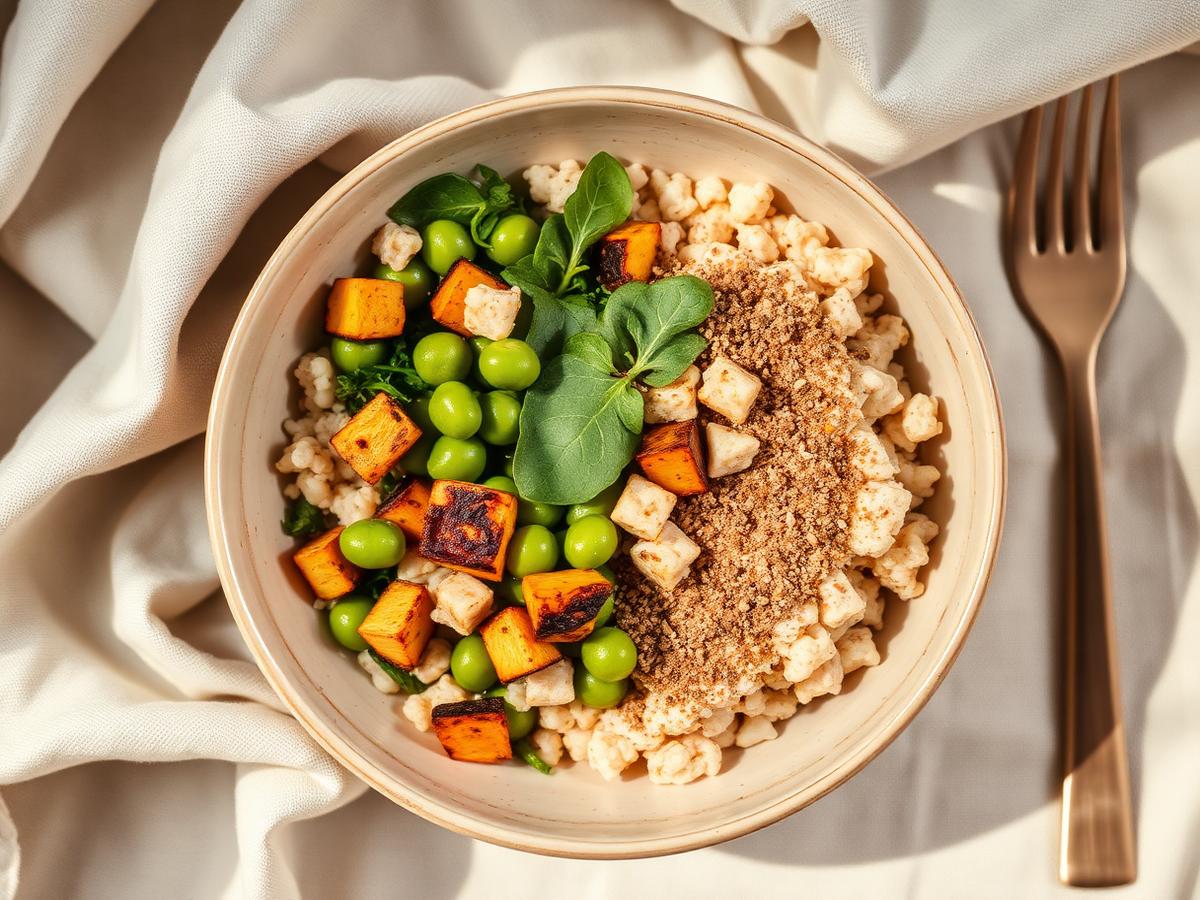
Recipes that fit this plan.
Questions we get asked
- Do I have to follow the days in order?
- No. Every day stands alone. The order simply makes leftovers flow neatly from dinner into the next day's lunch.
- Is soy safe during menopause?
- Whole soy foods, edamame, tofu, tempeh, soy milk, are well studied and considered safe and likely helpful for vasomotor symptoms in most women. If you have a history of hormone-sensitive cancer, check with your oncology team first.
- What if I am not hungry at breakfast?
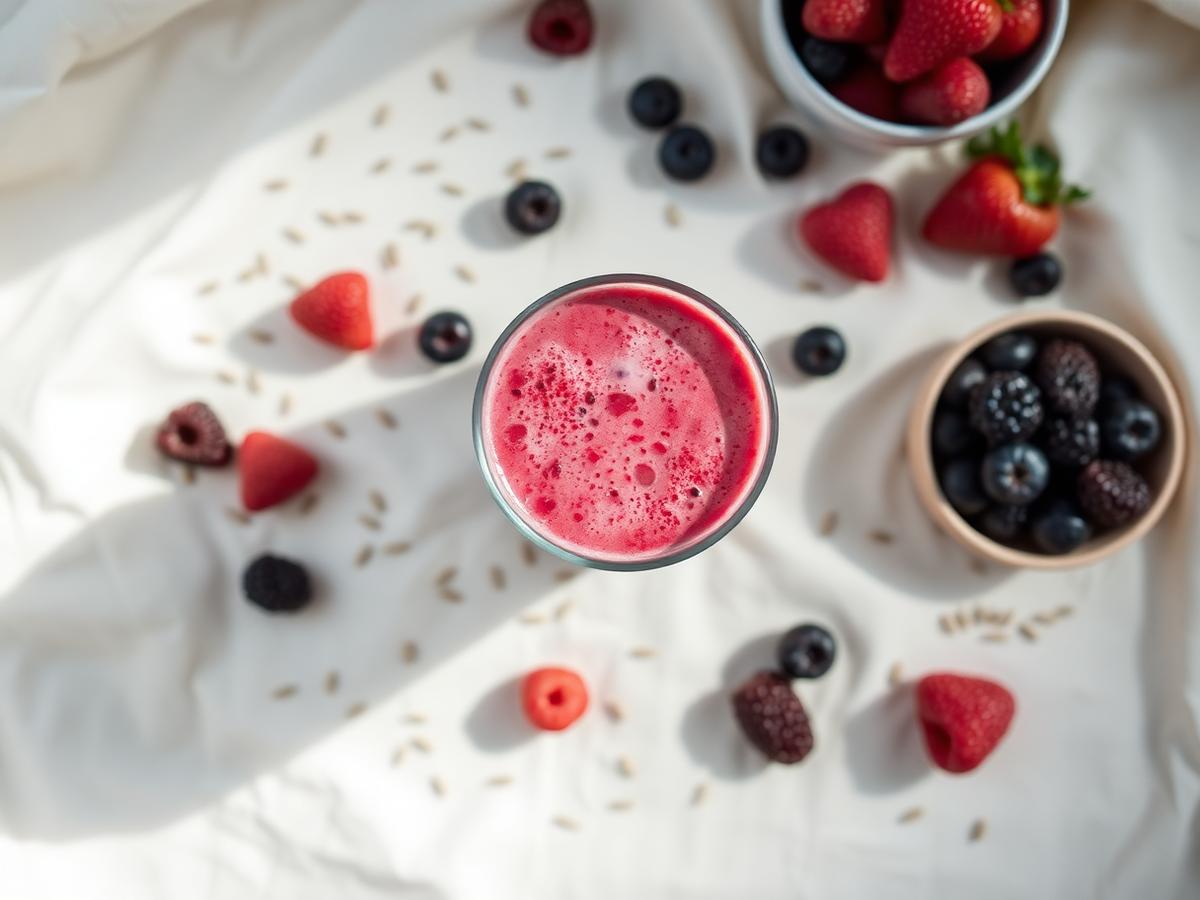
- Start with something small and protein-dense: a cottage cheese toast or a kefir smoothie. Appetite usually returns within a week once blood sugar steadies.
- Will this help me lose weight?
- Many women lose fat on this pattern because protein and fiber are highly satiating. But the primary goal here is preserving muscle and bone while steadying symptoms, that is what protects you for the next thirty years.
Seven days is enough to feel the difference in energy and hunger. Thirty days is enough to see it in strength and sleep. Repeat the pattern, that is the whole method.
Keep it forever
Download the full plan and every recipe in it.
One designed, print-ready file: the complete 18-page PDF, the day-by-day week, the grocery list, and all 28 recipes laid out as their own cards.
- Print-ready 18-page PDF
- All 28 plan recipes with photos and macros
- Free, your details unlock every guide
Read next