Eat Well · 16 min read
The Wellness Kitchen Blueprint
The whole method on one page: the five-component plate, a week of anchor meals, the pantry, and the habits that make it stick.
Download the PDFThe promise
By the end of this guide you will be able to build a balanced, protein-forward, fiber-rich meal out of whatever is in your kitchen, without a recipe, without weighing anything, and without another diet.
What's inside
- The five-component plate, the single framework behind every recipe on this site
- Your two numbers: protein and fiber, and how to hit them without tracking
- Ten anchor meals that cover a normal week for a real household
- The Wellness Kitchen pantry: forty items that make weeknight cooking possible
- The two-hour Sunday reset that removes the daily decision
- The Method in practice: Nourish, Balance, Strengthen, Restore, Thrive
- What to do on the week it all falls apart
Start here
01Why most healthy eating fails after 40
It is almost never a willpower problem. It is a systems problem. Most plans give you a list of meals to follow for a fixed number of days, and when the days run out, or the ingredients run out, or life runs over the top of the plan, there is nothing underneath to fall back on. You return to the way you were eating before, and you conclude that you failed.
The Wellness Kitchen works the other way around. You learn one plate framework, two numbers, and a small pantry. Recipes then become optional. That is the difference between a diet, which ends, and a method, which compounds.
This matters more after 40 because the margin narrows. Muscle protein synthesis becomes less responsive, bone loss accelerates around menopause, insulin sensitivity drops, and recovery slows. The good news is that the same handful of inputs, enough protein, enough fiber, enough colour, enough resistance training, address all of it at once.
- Diets prescribe meals. Methods teach structure that survives a bad week.
- You need roughly 1.2 to 1.6 g of protein per kg of body weight daily after 40.
- You need 25 to 30 g of fiber daily, from food, built up slowly.
- Food holds the line, strength training moves it. You need both.
The one framework to memorise
02The five-component plate
Every recipe in this kitchen is the same five components in a different costume. Once you can see them, you can build a balanced meal from a nearly empty fridge, and you can rescue a takeaway or a restaurant menu just as easily.
Build in this order and the meal takes care of itself: protein, then plants, then a smart carbohydrate, then fat, then something that makes it taste like food you actually want to eat.
- Eat in order: vegetables and protein before the starch measurably flattens the post-meal glucose rise.
- If a meal feels unsatisfying, the missing component is almost always protein or fat.
- If you are hungry ninety minutes later, it was fiber.
- You do not need all five at every snack. You do need all five at every main meal.
| Component | What to use | Why it is there |
|---|---|---|
| 1. Protein anchor | 25 to 35 g: eggs, fish, chicken, Greek yogurt, cottage cheese, tofu, lentils, beans | Protects muscle, blunts the glucose curve, and keeps you full for four hours |
| 2. Fiber and colour | Two fistfuls of vegetables or fruit, ideally two colours | Feeds the microbiome, supplies polyphenols, adds volume for very few calories |
| 3. Smart carbohydrate | A cupped handful: oats, brown rice, quinoa, potato with skin, seeded bread, legumes | Energy and resistant starch without the spike of refined starch |
| 4. Deliberate fat | A thumb: olive oil, avocado, nuts, seeds, tahini, oily fish | Hormone precursors, satiety, joint comfort, vitamin absorption |
| 5. Flavour finish | Acid, herbs, spice, ferment: lemon, vinegar, chilli, parsley, kimchi, feta | The reason you cook it again next week. Enjoyment is adherence. |
Everything else is detail
03Your two numbers
You could stop reading here and still get most of the benefit. Hit your protein, hit your fiber, and the rest of a good diet tends to follow, because the foods that carry protein and fiber are the same foods that carry calcium, magnesium, potassium, and polyphenols.
You do not need to track forever. Track for three days, once, so you know your actual baseline rather than your imagined one. Almost everyone discovers the same two things: breakfast is far lower in protein than they thought, and their fiber is sitting somewhere near 15 g.
- Fast protein: Greek yogurt 20 g per cup, cottage cheese 25 g per cup, two eggs 12 g, tinned tuna 25 g, chicken breast 30 g per palm.
- Fast fiber: one cup lentils 15 g, one cup raspberries 8 g, two tablespoons chia 10 g, half an avocado 5 g.
- Thirty plants a week counts herbs, spices, nuts, seeds, and wholegrains, not just vegetables.
| Target | Daily | Per meal |
|---|---|---|
| Protein | 1.2 to 1.6 g per kg body weight | 25 to 35 g, three times |
| Fiber | 25 to 30 g | 8 to 10 g, three times |
| Calcium | About 1,200 mg | Three separate sources |
| Plants | 30 different plants weekly | Two colours per plate |
A week, covered
04The ten anchor meals
You do not need a hundred recipes. Research on real households consistently finds that most families rotate the same seven to ten meals. The intervention is not more variety, it is better anchors.
Choose ten. Make them yours. Every one of these follows the five-component plate, and every one is on this site with photographs, macros, and the reasoning behind it.
- Breakfast one: a thirty gram protein bowl, six minutes, no cooking
- Breakfast two: overnight oats with chia and berries, made the night before
- Breakfast three: savoury cottage cheese toast when you want something hot
- Lunch one: the rainbow lunch jar, built from Sunday components
- Lunch two: Mediterranean tuna and white bean salad, entirely from the cupboard
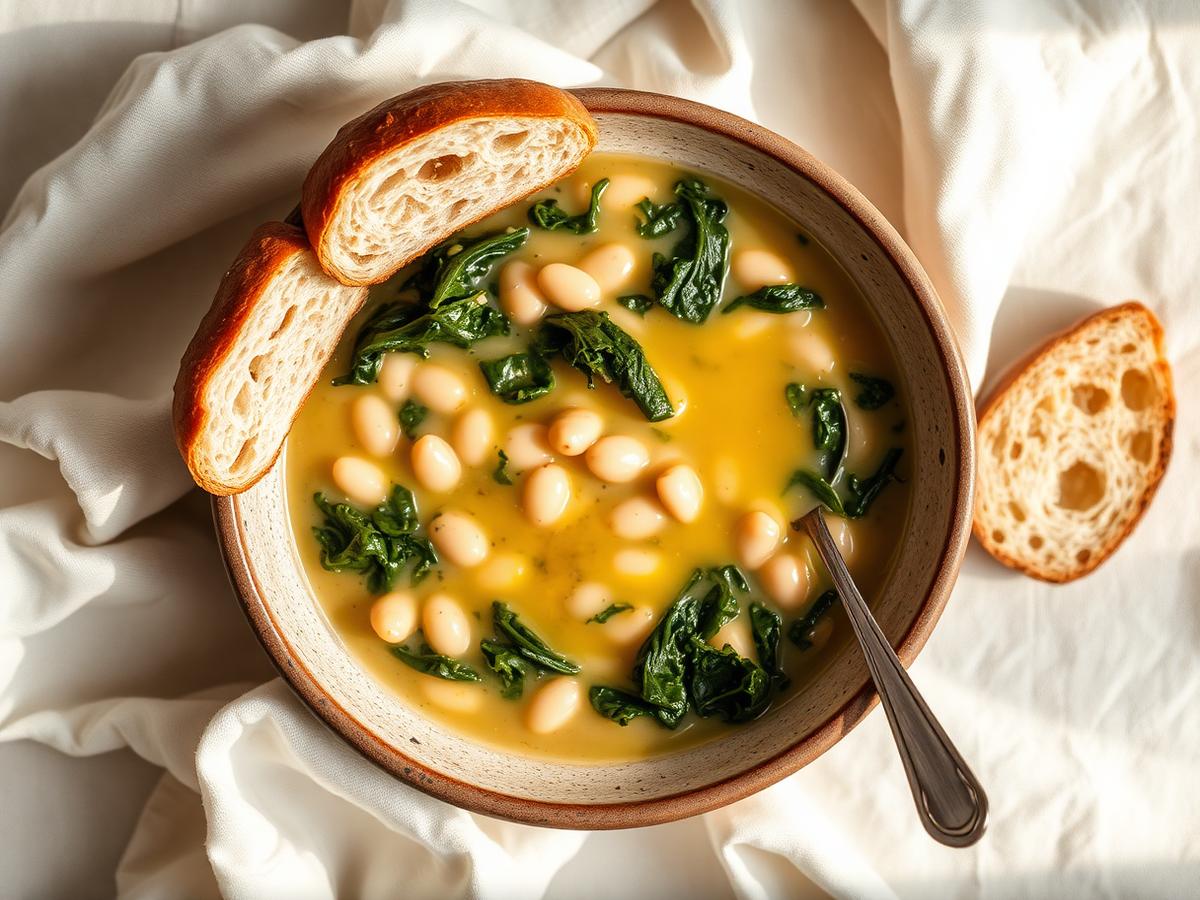
- Lunch three: Tuscan white bean and kale soup, cooked once, eaten three times
- Dinner one: five-component sheet pan salmon, the flagship, one tray
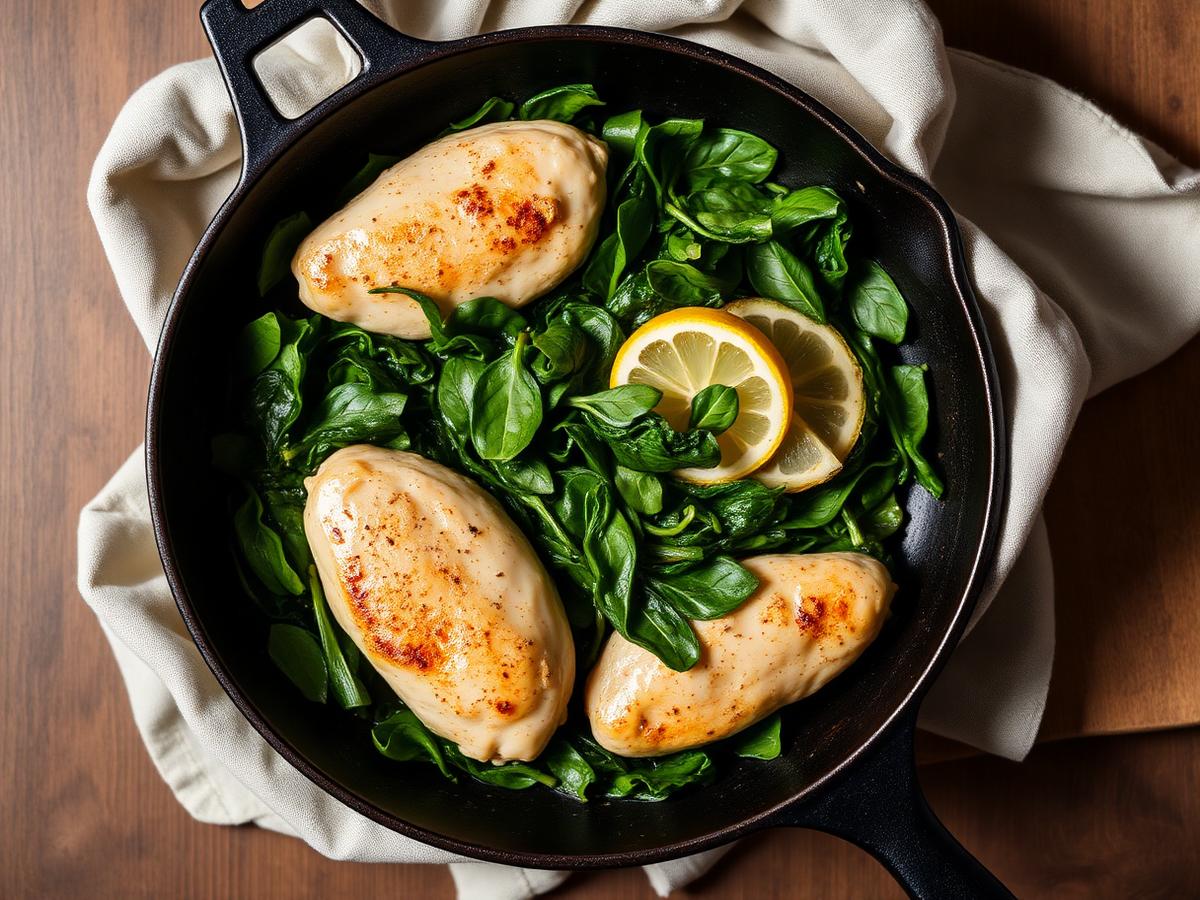
- Dinner two: a thirty minute chicken and greens skillet
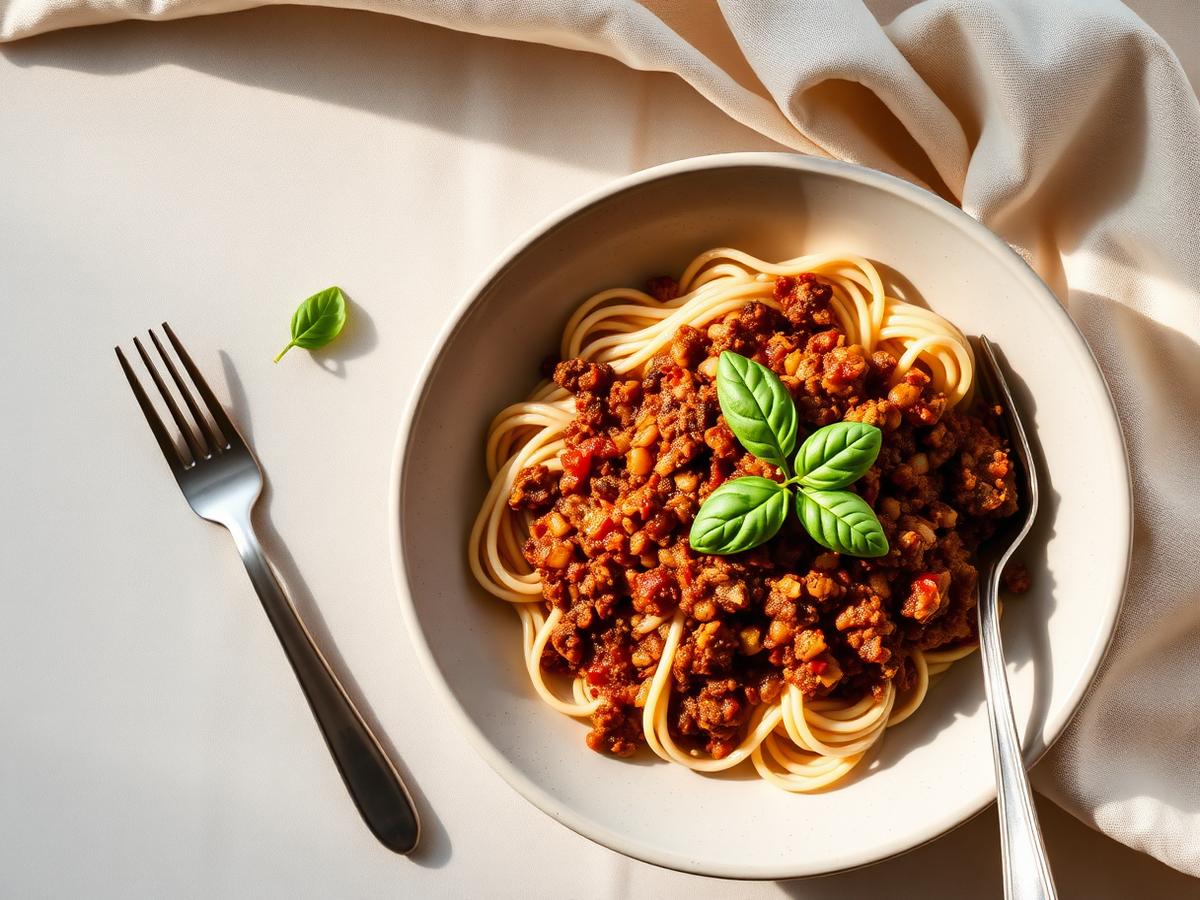
- Dinner three: lentil walnut bolognese for a meat-free night with real protein
- Dinner four: blood sugar steady stir fry, the fastest balanced dinner here
Cooking is easy when the kitchen is stocked
05The Wellness Kitchen pantry
The single biggest predictor of whether you cook on a Tuesday night is not motivation. It is whether the ingredients are already in the house. Build this once and weeknight cooking becomes a fifteen minute job instead of a shopping trip.
| Shelf | Keep in stock | Builds |
|---|---|---|
| Cupboard | Tinned lentils, chickpeas, white beans, black beans, tuna, salmon, chopped tomatoes, coconut milk | Soups, salads, sauces, instant protein |
| Grains | Rolled oats, brown rice, quinoa, wholewheat pasta, seeded bread | The carbohydrate component, batch cooked |
| Fridge | Greek yogurt, cottage cheese, eggs, kefir, feta, kimchi, miso | Protein and fermented foods in under a minute |
| Freezer | Berries, edamame, peas, spinach, prawns, salmon fillets | Fiber and protein that never goes off |
| Fats and seeds | Olive oil, tahini, almond butter, walnuts, almonds, ground flaxseed, chia | The fat component and an easy plus six grams of fiber |
| Flavour | Lemons, garlic, ginger, turmeric, smoked paprika, chilli flakes, vinegar, soy, herbs | The reason it tastes good enough to repeat |
Components, not full meals
06The two-hour Sunday reset
Do not batch cook seven identical dinners. You will not want to eat them by Wednesday. Cook components instead, then assemble in five minutes each night. This is the single habit that separates people who keep this going from people who do not.
- Roast one large tray of vegetables, whatever is cheapest and in season
- Cook one grain, a large pot of brown rice or quinoa
- Cook one big protein, a tray of chicken thighs, a side of salmon, or a pan of baked tofu
- Simmer one pot of soup or a batch of lentils
- Wash and dry the greens so the salad is a decision, not a chore
- Mix one dressing in a jar: olive oil, lemon, mustard, garlic, salt
- Portion snacks: yogurt pots, nuts, cut fruit, hummus and vegetables
Nourish, Balance, Strengthen, Restore, Thrive
07The Method in practice
The plate is the food. The Method is the life around it. Each step has one measurable action, and they are deliberately in this order, because nourishment is what makes everything after it possible.
- Nourish: hit the two numbers, protein and fiber, every day this week.
- Balance: steady blood sugar by eating in order and never eating naked carbohydrate.
- Strengthen: two to three resistance sessions a week. Food protects muscle, training builds it.
- Restore: sleep and stress are nutrition variables. Poor sleep raises next-day intake by hundreds of calories and pushes it toward refined carbohydrate.
- Thrive: keep the version of this you would happily do for ten years, and delete the rest.
Plan for it now, because it is coming
08The week it falls apart
Travel, illness, deadlines, a family crisis. The people who succeed at this are not the people who never fall off. They are the people who have decided in advance what the minimum version looks like, so the fall is one week rather than one year.
Write your minimum down while things are calm. Mine is three things, and none of them require cooking.
- Protein at breakfast, even if it is yogurt eaten standing up
- One vegetable or fruit at every meal, frozen and tinned both count
- A ten minute walk after the largest meal of the day
- Everything else is optional until the week is over. Then you restart, you do not restart-and-punish.
Put it on the plate
Your first seven days
- 1.Pick three anchor meals from the list and shop for them only.
- 2.Add a protein source to breakfast tomorrow, aim for 25 to 30 g.
- 3.Buy tinned lentils, ground flaxseed, and frozen berries, the three highest-return pantry items.
- 4.Do the two-hour Sunday reset once and notice how different the week feels.
- 5.Book two strength sessions into the calendar as appointments, not intentions.
- 6.Track protein and fiber for three days only, to find your real baseline.
- 7.Write your minimum version for the week it falls apart, and put it on the fridge.
Cook the guide
Recipes that fit this plan.
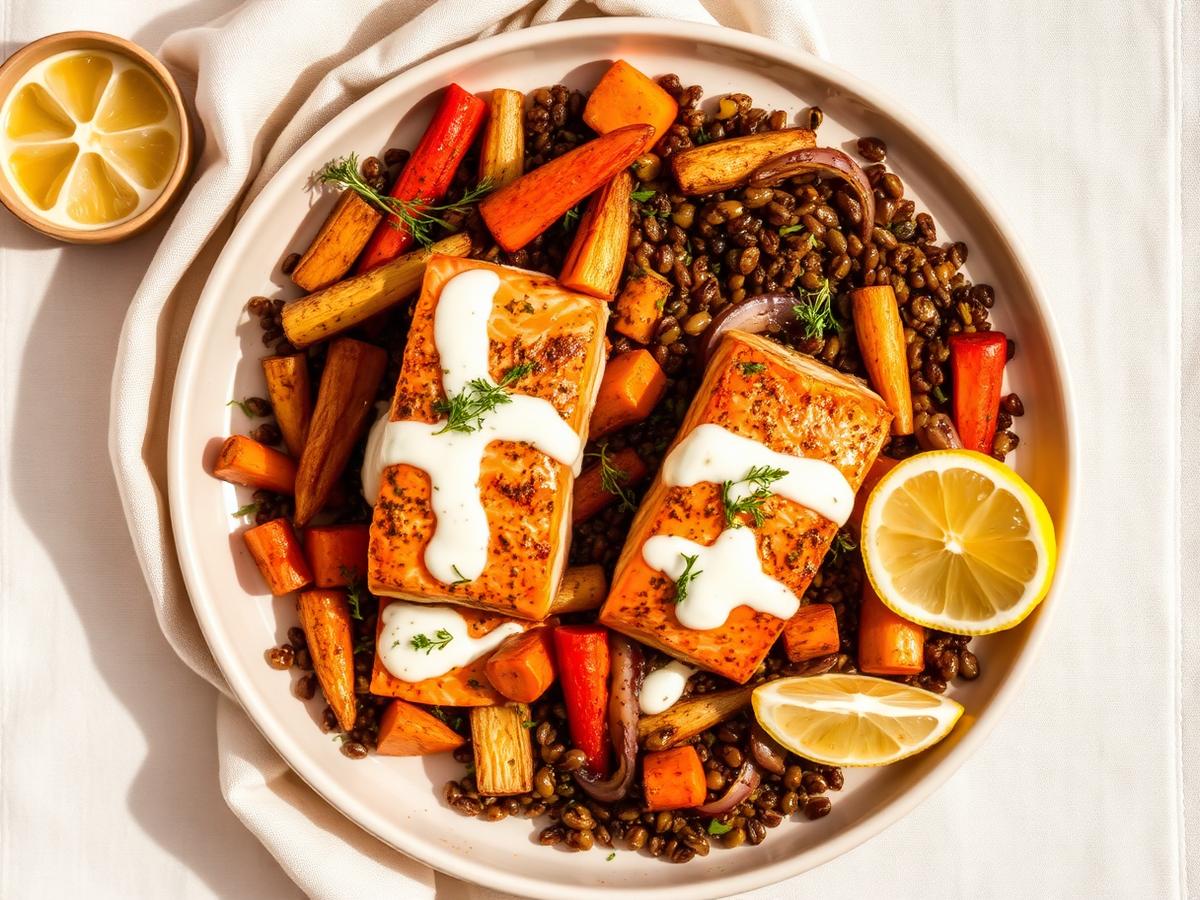
38g protein
Five-Component Sheet Pan Salmon
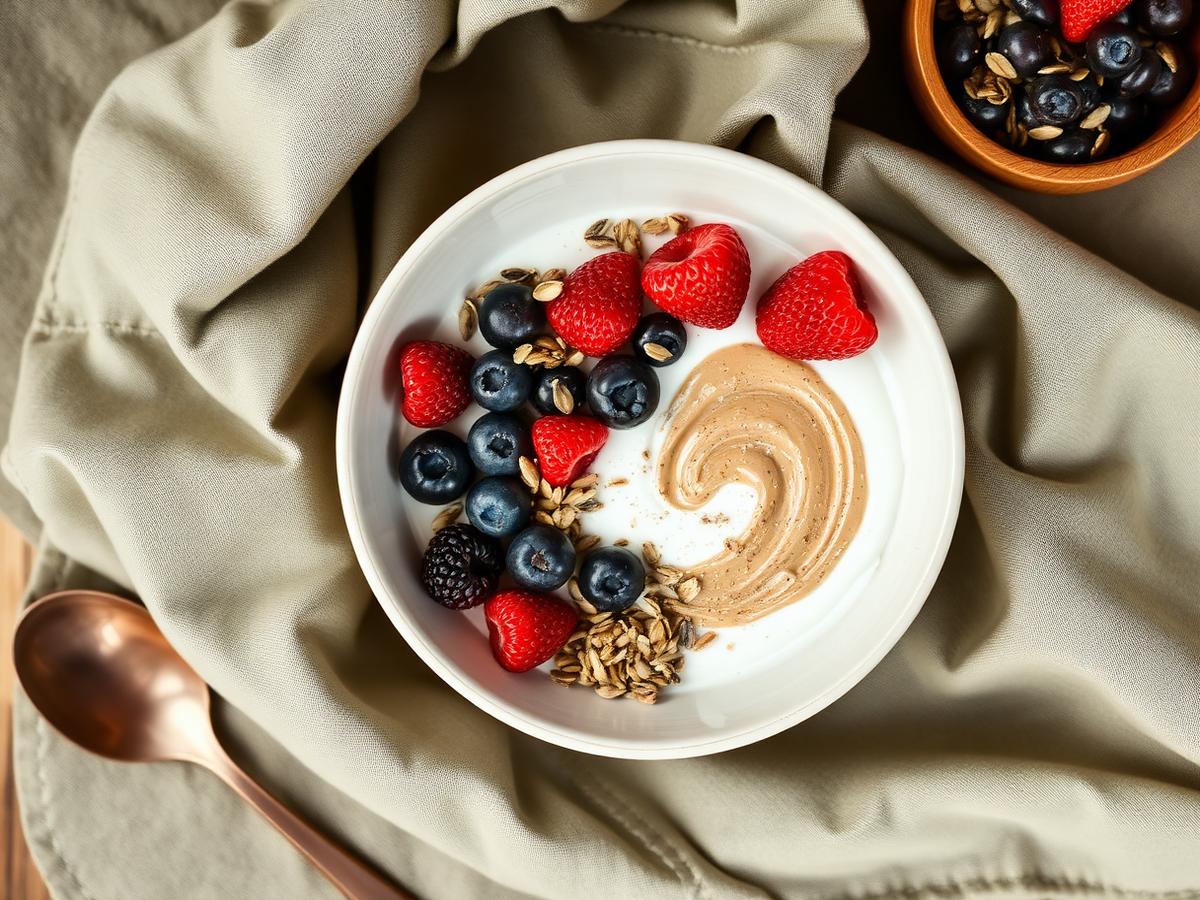
32g protein
30g Protein Breakfast Bowl
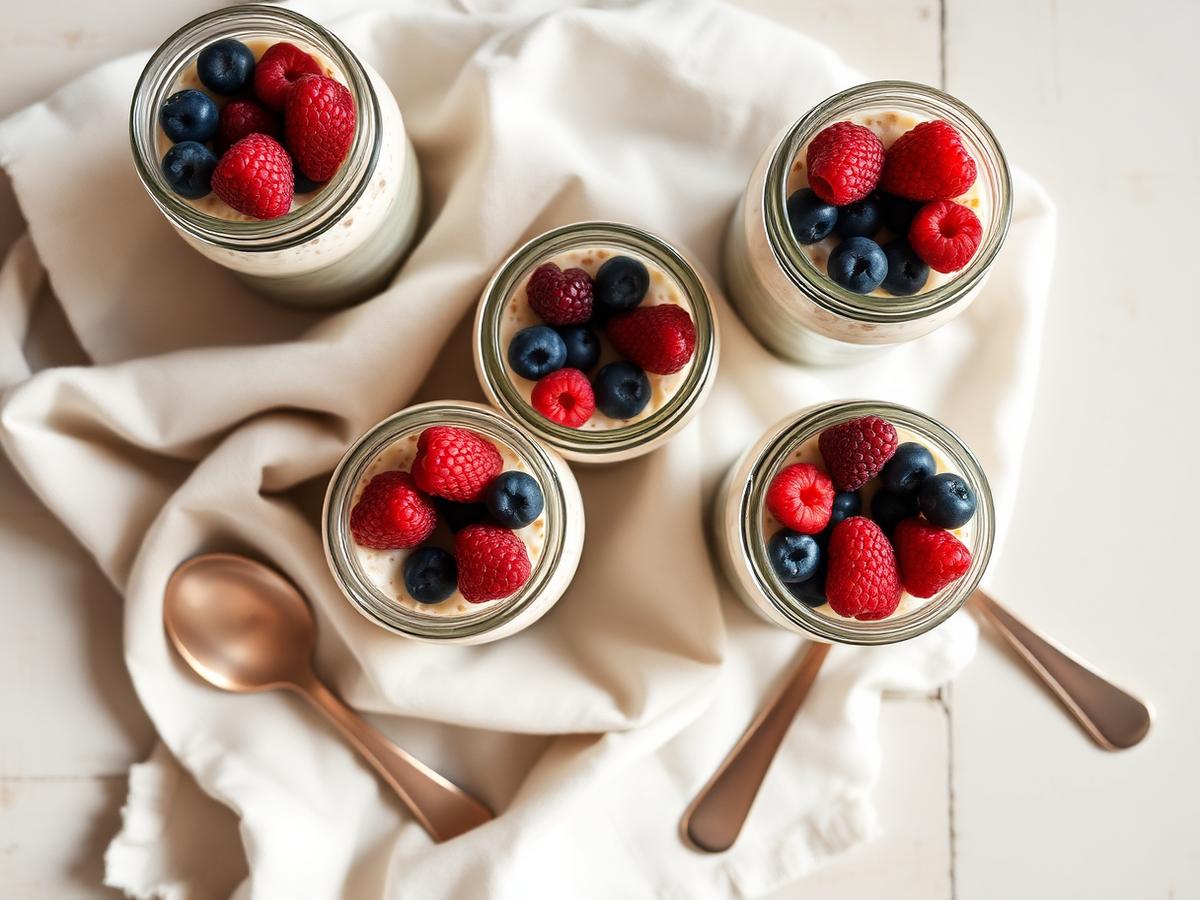
24g protein
Overnight Oats with Chia and Berries
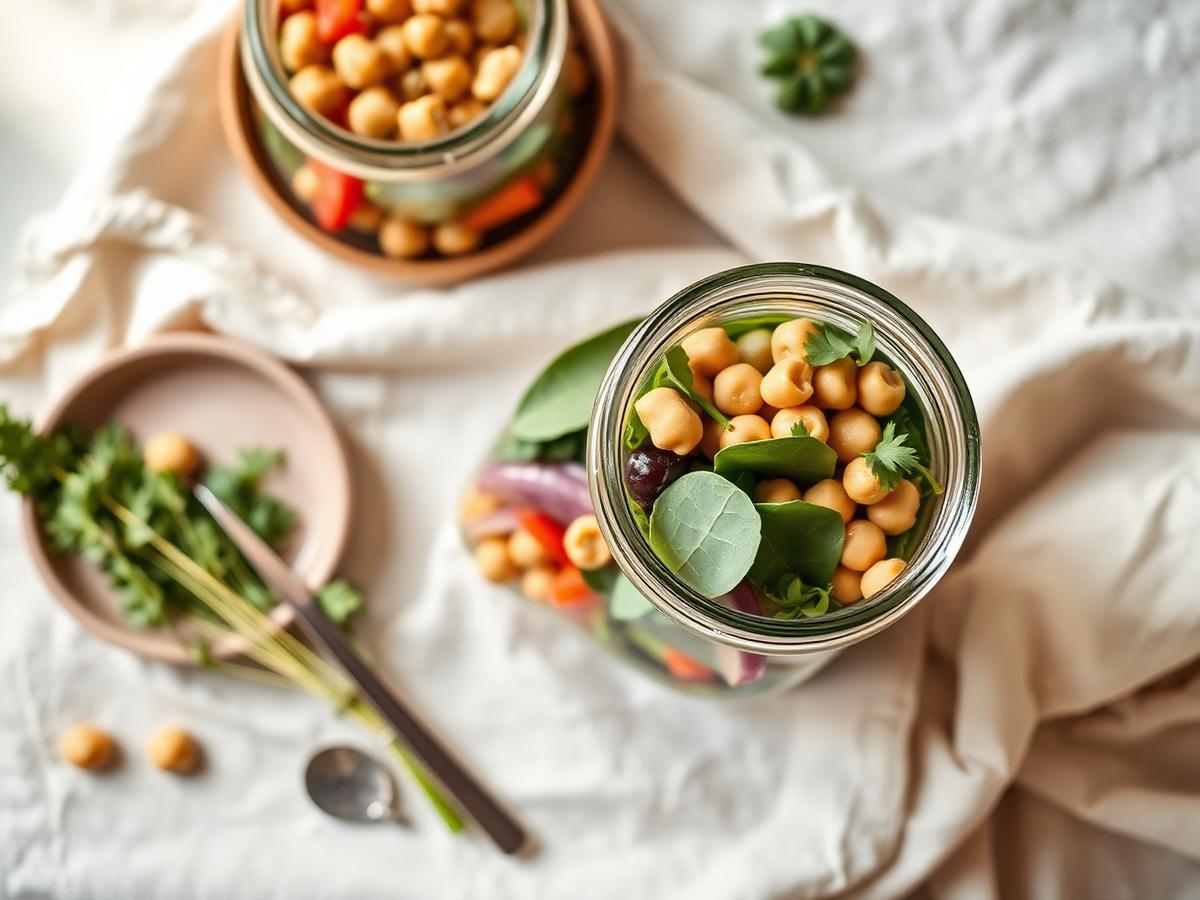
22g protein
Rainbow Lunch Jar
17g protein
Tuscan White Bean and Kale Soup
40g protein
30-Minute Chicken and Greens Skillet
19g protein
Lentil Walnut Bolognese
35g protein
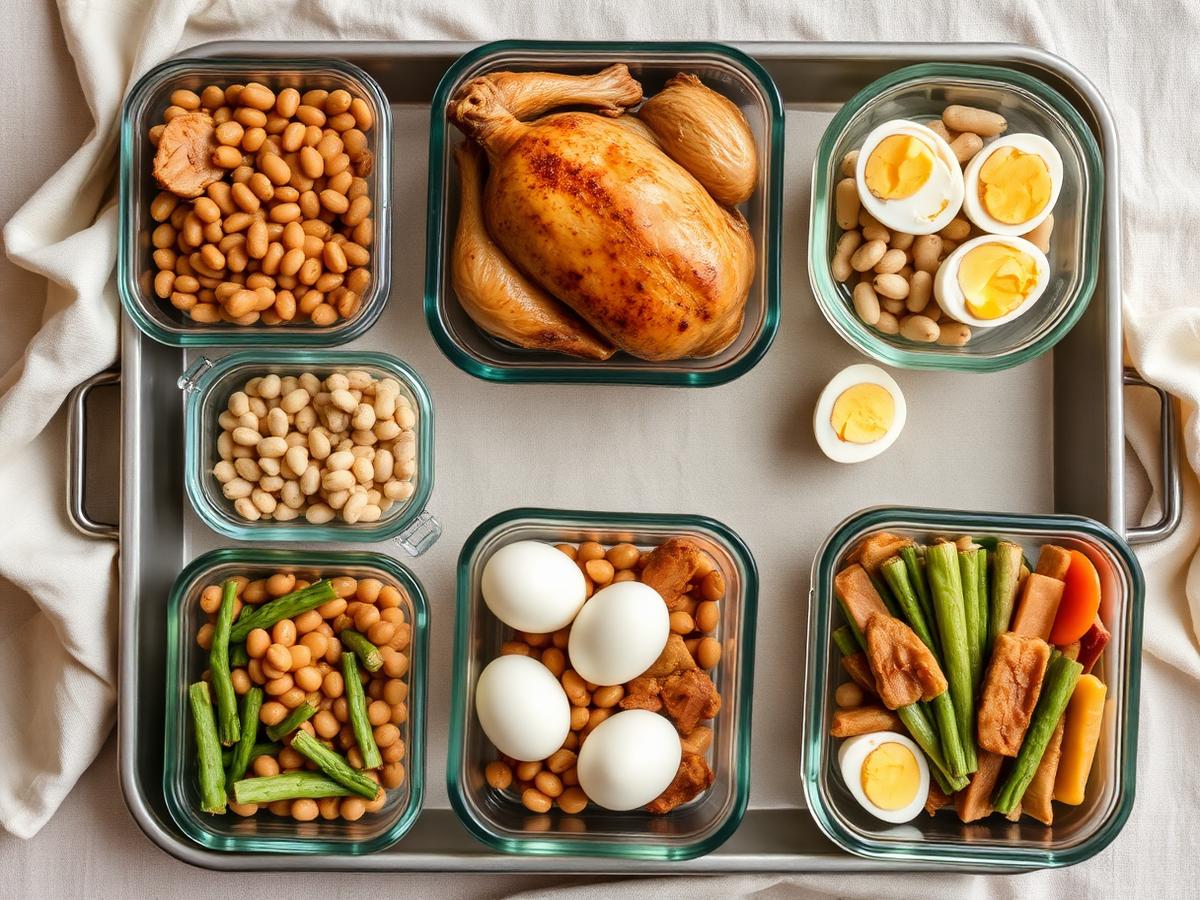
Sunday Protein Prep Tray
Questions we get asked
- Do I have to count calories?
- No. Build the plate, hit protein and fiber, and portion size tends to self-regulate because both nutrients are strongly satiating. If a specific medical goal requires calorie targets, this framework sits comfortably underneath them.
- Is this plan vegetarian friendly?
- Entirely. Lentils, beans, tofu, tempeh, edamame, Greek yogurt, cottage cheese, and eggs all clear the protein anchor. Plant-forward eaters usually need to be more deliberate about hitting 25 to 35 g per meal, which usually means adding a second protein source rather than a larger portion of one.
- How long before I feel different?
- Energy and appetite stability usually shift within one to two weeks. Digestion settles in three to four as the microbiome adapts to more fiber. Body composition changes show up over two to three months, and only if strength training is in the mix.
- What if I only do one thing from this guide?
- Put 30 g of protein at breakfast. It is the single change that most reliably shifts energy, cravings, and muscle retention in women over 40.
This is the whole method. Five components on a plate, two numbers, ten meals you can cook without looking, and a pantry that lets you start tonight. Everything else on this site is a variation on this page.
Keep it forever
Download the full The Wellness Kitchen Blueprint PDF.
The complete 22-page PDF, designed, printable, and yours to keep. Everything on this page plus the charts, plans and checklists laid out for the fridge door.
- Print-ready 22-page PDF
- Charts, plans and grocery lists included
- Free, your details unlock every guide
Read next