Science Library

Recipes & Nutrition

How to build a plate: the five-component method

Recipes are useful. A template is transformative, because it works when you have no recipe, no plan, and forty minutes.

6 min readReviewed January 2026By Yvette, The Wellness Kitchen

The short version

  • Every meal gets protein, fiber, healthy fat, colour, and flavour. Five components, no counting.
  • The template scales from a five-minute lunch to a dinner party.
  • Cook components, not meals, that is what makes a week of good eating possible.
  • Flavour is a nutrition strategy: food you enjoy is food you repeat.

The five components

Protein: 30 grams. Fish, chicken, eggs, Greek yogurt, cottage cheese, tofu, tempeh, beans, lentils.

Fiber: a legume, a whole grain, or a generous volume of vegetables. Aim for eight to ten grams per meal.

Healthy fat: olive oil, avocado, nuts, seeds, oily fish. Fat carries flavour and fat-soluble vitamins, and it keeps you full.

Colour: at least one deeply coloured plant. The pigments are the polyphenols; this is not decoration.

Flavour: acid, herbs, spice, salt, crunch. This is the component people skip, and it is why healthy eating fails.

Component cooking beats meal prep

Prepping five identical containers of Monday's dinner works for about three days before rebellion sets in. Prepping components does not.

On one afternoon: roast two trays of vegetables, cook a pot of grains, cook a protein, make one sauce, wash and dry greens. That is fifteen different meals, not five identical ones.

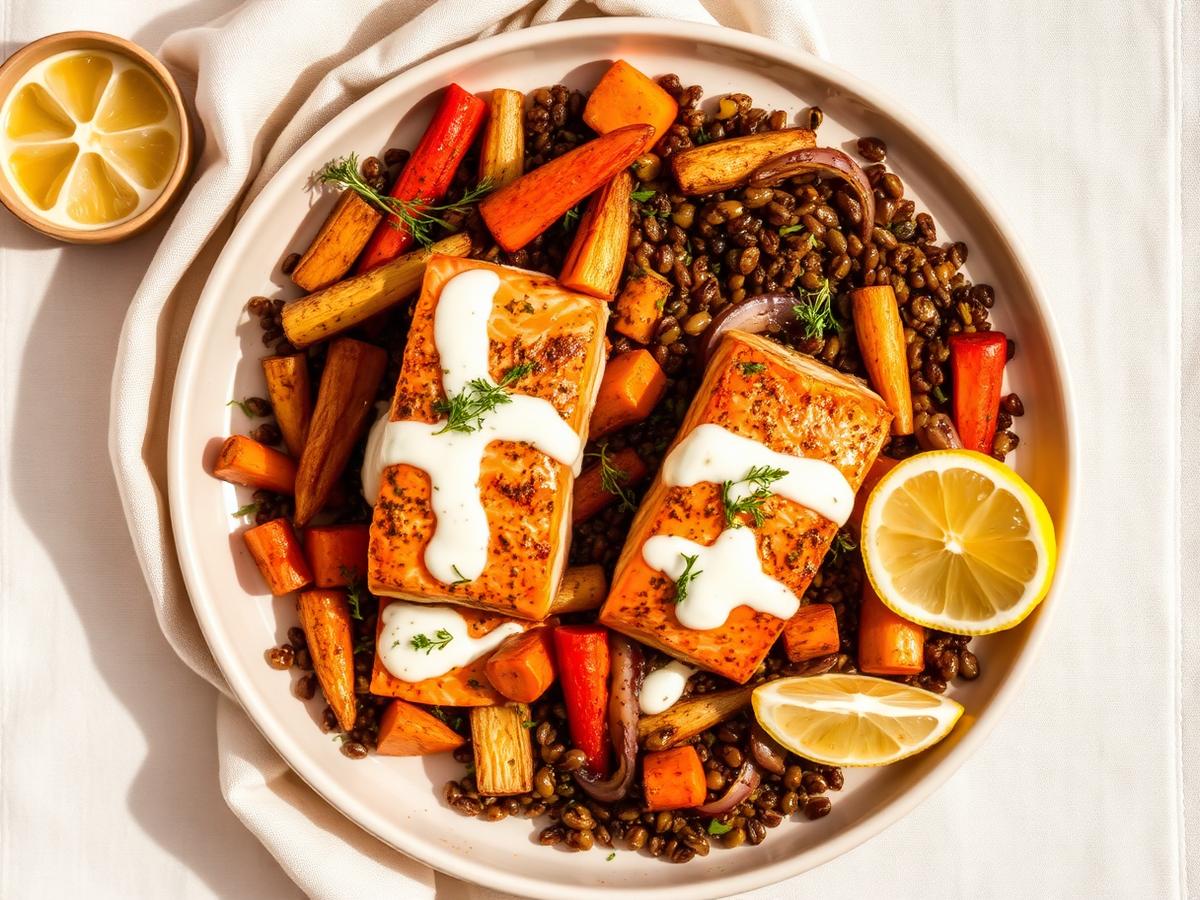
The sauce is the leverage point. One good herb yogurt, tahini lemon, or chimichurri makes the same three ingredients taste like three different dinners.

Reading a recipe like a cook

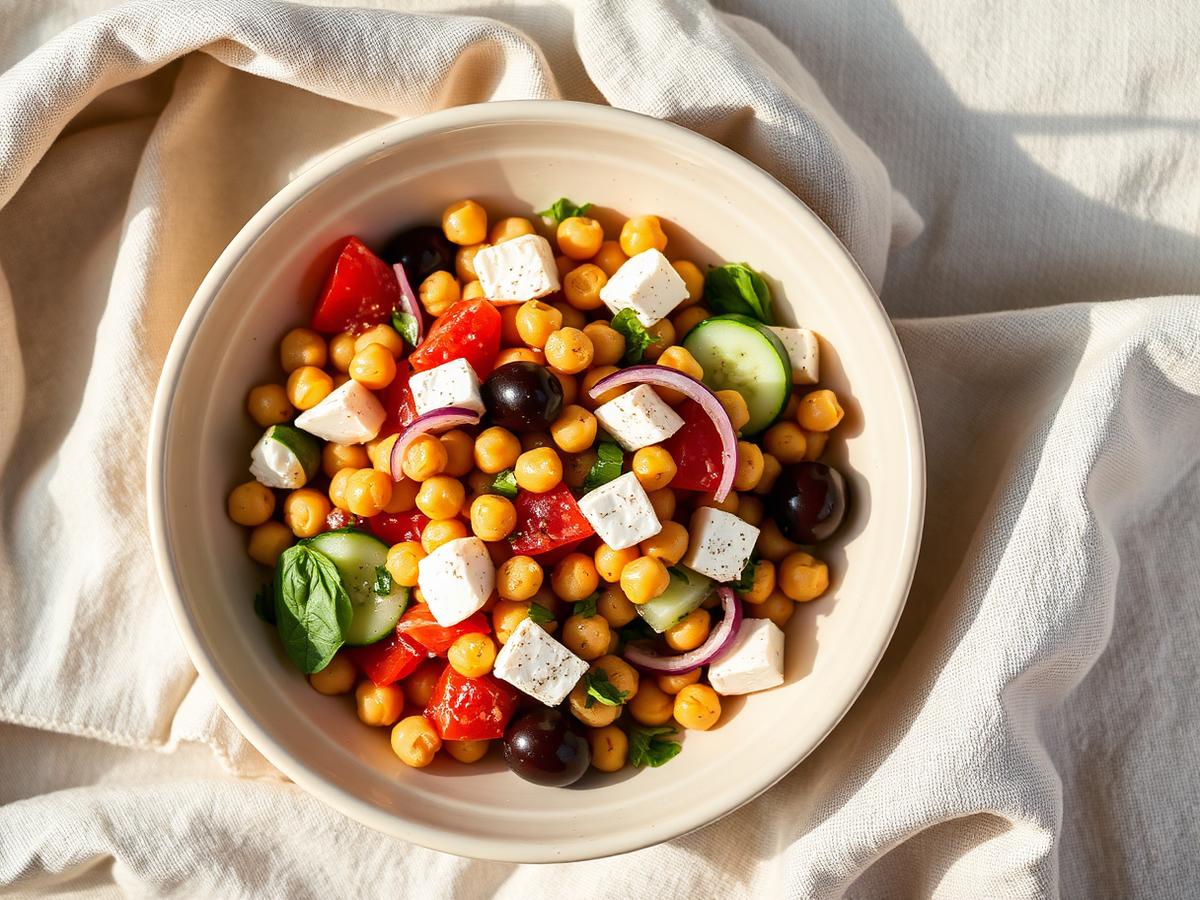
Once you see the template, recipes become suggestions. Missing the chickpeas? Any legume. No salmon? Any fish, or eggs, or tofu. The structure holds even when the ingredients change.

That is the actual skill we are teaching. Not 25 recipes, one method that generates a thousand.
What the evidence says

  • Higher diet quality scores across multiple indices are consistently associated with lower mortality risk.

    Sotos-Prieto et al., New England Journal of Medicine, 2017

  • Cooking at home more frequently is associated with better overall diet quality and lower intake of ultra-processed foods.

    Wolfson & Bleich, Public Health Nutrition, 2015

Educational content only. It is not medical advice and does not replace a conversation with your own clinician.

Put it on the plate

  1. 01Check the five before you sit down: protein, fiber, fat, colour, flavour.
  2. 02Keep three sauces in rotation and make one every week.
  3. 03Prep components on the day that suits your week, not the day the internet says.
  4. 04If a meal is missing a component, add it rather than starting over.

Cook the science

Keep it

The Wellness Kitchen Blueprint

The printable companion to this article, free in the resource library.

Get the guide

Read next