What fiber actually does once it leaves your plate
Fiber is the part of a plant your own enzymes cannot break down. That sounds like a flaw until you realise it is the point: undigested fiber travels to the large intestine intact, where roughly forty trillion bacteria are waiting for it.
Soluble fiber, oats, beans, apples, psyllium, barley, dissolves into a gel. That gel slows gastric emptying, which flattens the blood sugar curve after a meal, and it binds bile acids so your liver has to pull cholesterol out of circulation to make more. Insoluble fiber, wheat bran, vegetable skins, nuts, seeds, adds bulk and shortens transit time.
Most real foods contain both. That is why a diet built on beans, oats, berries, and vegetables outperforms any single fiber powder.
The midlife piece nobody mentions
Estrogen is packaged by the liver and sent into the gut for disposal. A group of gut bacteria producing an enzyme called beta-glucuronidase can unwrap that package and send estrogen back into circulation. A fiber-rich, diverse microbiome keeps that recycling in a healthier range.
Fiber also matters for the things women notice in their forties and fifties: slower digestion, more bloating, rising LDL cholesterol after menopause, and blood sugar that behaves differently than it did at thirty. Every one of those responds to fiber before it responds to anything else.
How to get there without wrecking the first week
Going from 12 grams to 30 grams overnight produces gas, bloating, and a conviction that fiber is not for you. It is, the bacteria simply need time to shift.
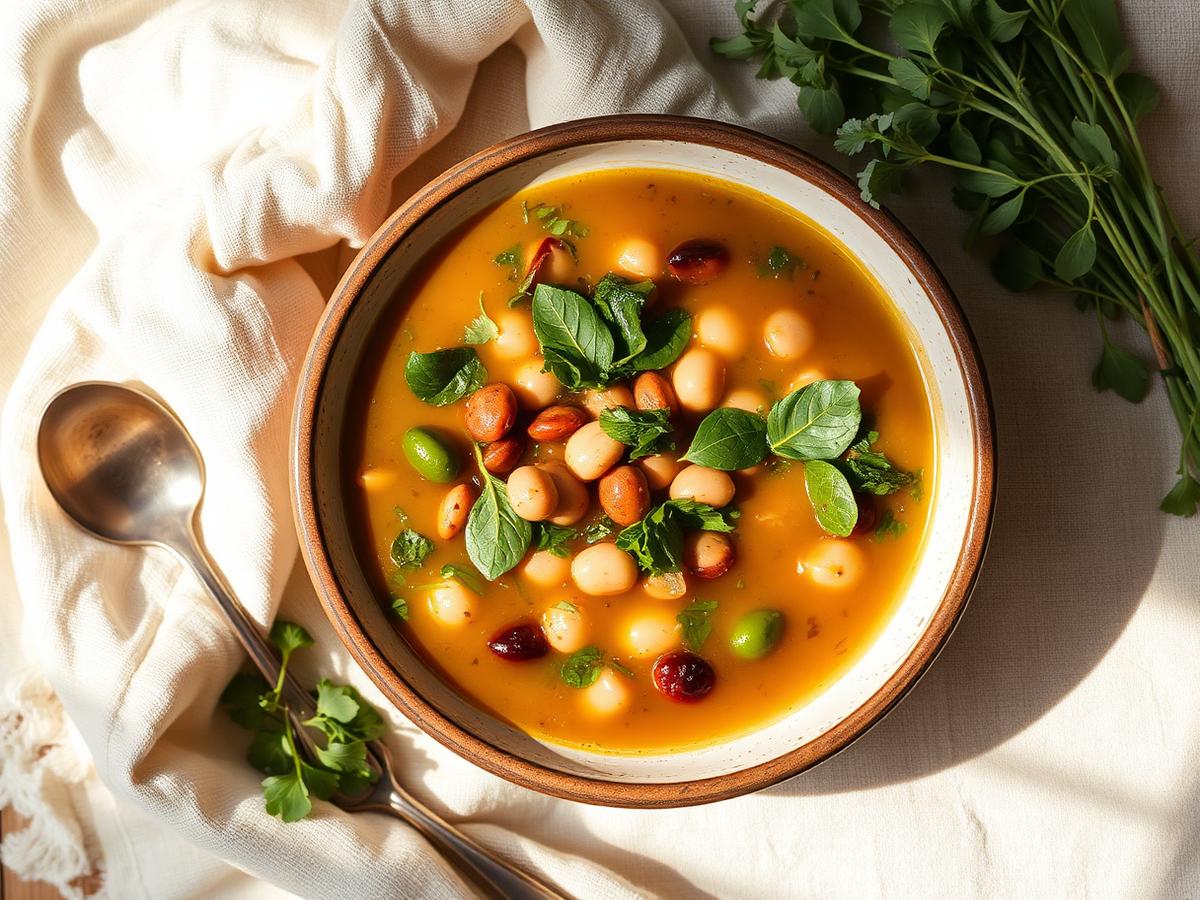
Add roughly five grams a week. Week one: a half cup of beans in a soup or salad each day. Week two: swap refined grains for oats or barley at breakfast. Week three: two pieces of whole fruit, skin on. Week four: a tablespoon of chia or ground flax in yogurt.
Drink water alongside. Fiber without fluid is the single most common reason people feel worse instead of better.
Where the grams actually hide
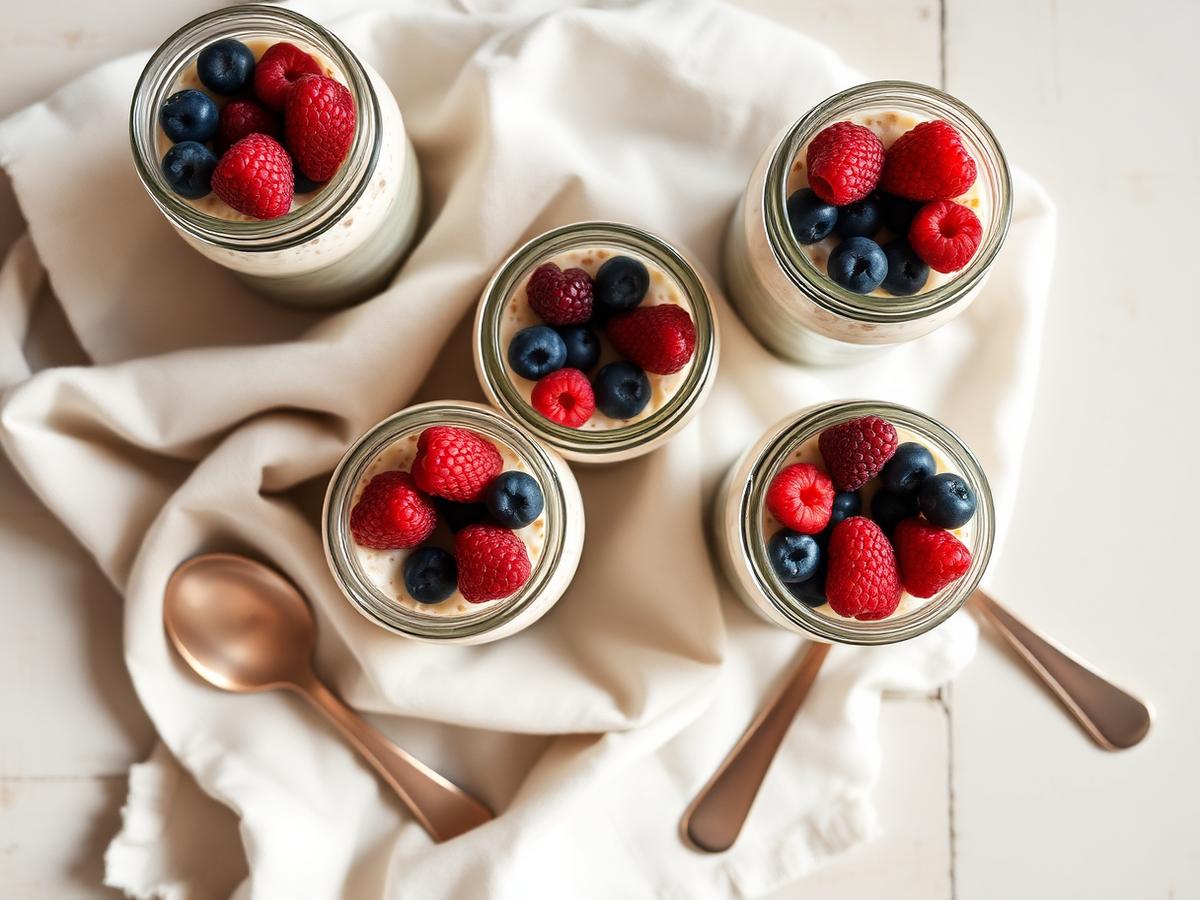
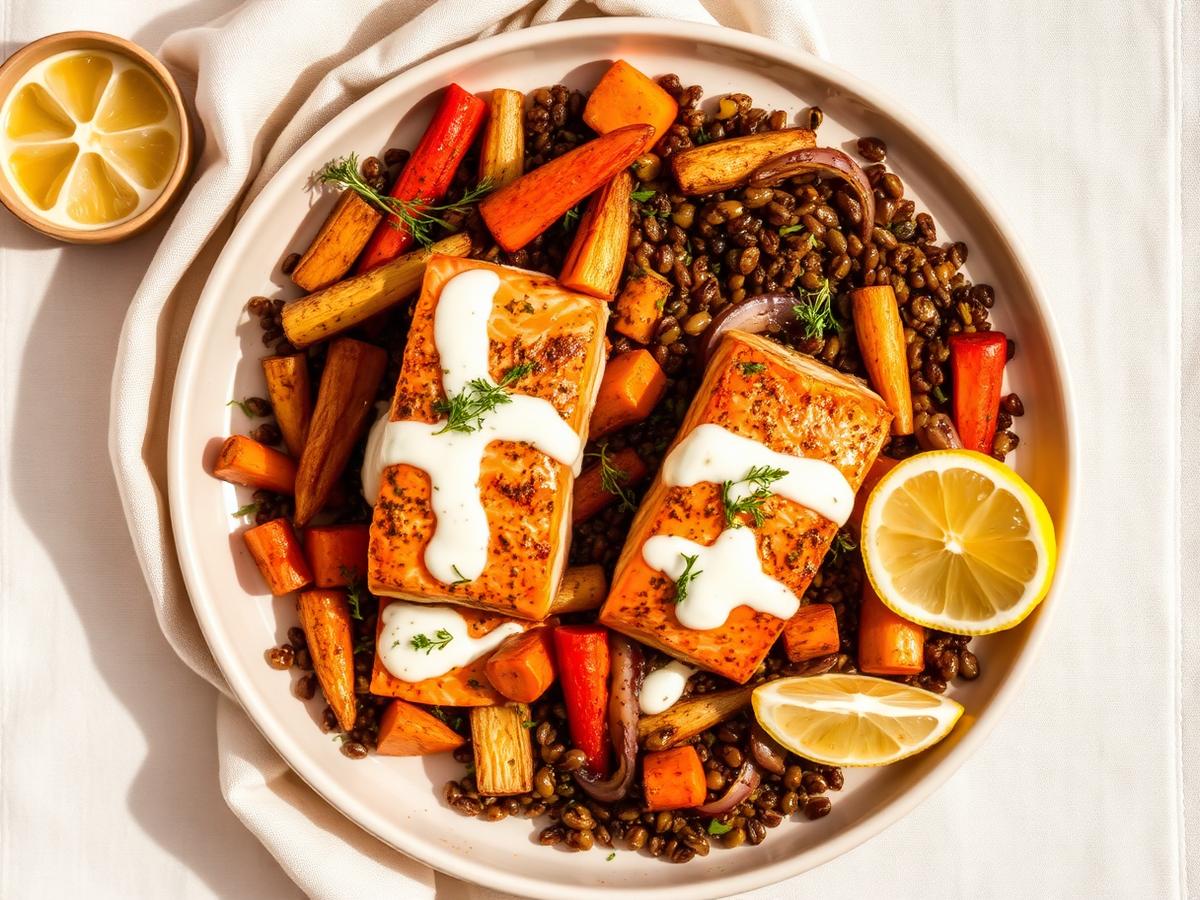
A cup of cooked lentils: 15 grams. A cup of raspberries: 8. A medium avocado: 10. Two tablespoons of chia: 10. A cup of cooked barley: 6. Half a cup of black beans: 7.
Notice what is missing from that list: nothing labeled high fiber on the front of a box. Whole foods do this on their own.