Science Library

Bone Health

Beyond calcium: what actually protects bone density

Women can lose up to twenty percent of bone density in the five to seven years around menopause. Calcium is necessary and nowhere near sufficient.

9 min readReviewed January 2026By Yvette, The Wellness Kitchen

The short version

  • Bone is living tissue that remodels constantly; estrogen restrains the cells that break it down.
  • Protein is a structural requirement for bone, roughly one third of bone is collagen matrix.
  • Load-bearing and resistance training signal bone to stay dense. Nothing on a plate replaces that signal.
  • Vitamin D, vitamin K2, and magnesium determine whether the calcium you eat actually reaches bone.

Bone is a bank account with two tellers

Osteoclasts break down old bone. Osteoblasts build new bone. In a healthy adult these two stay roughly balanced. Estrogen keeps osteoclasts in check, so when estrogen falls the breakdown side runs ahead of the building side and net density drops.

This is why the transition years matter disproportionately. The rate of loss around menopause is far higher than the slow decline that follows.

The nutrients that matter, in order

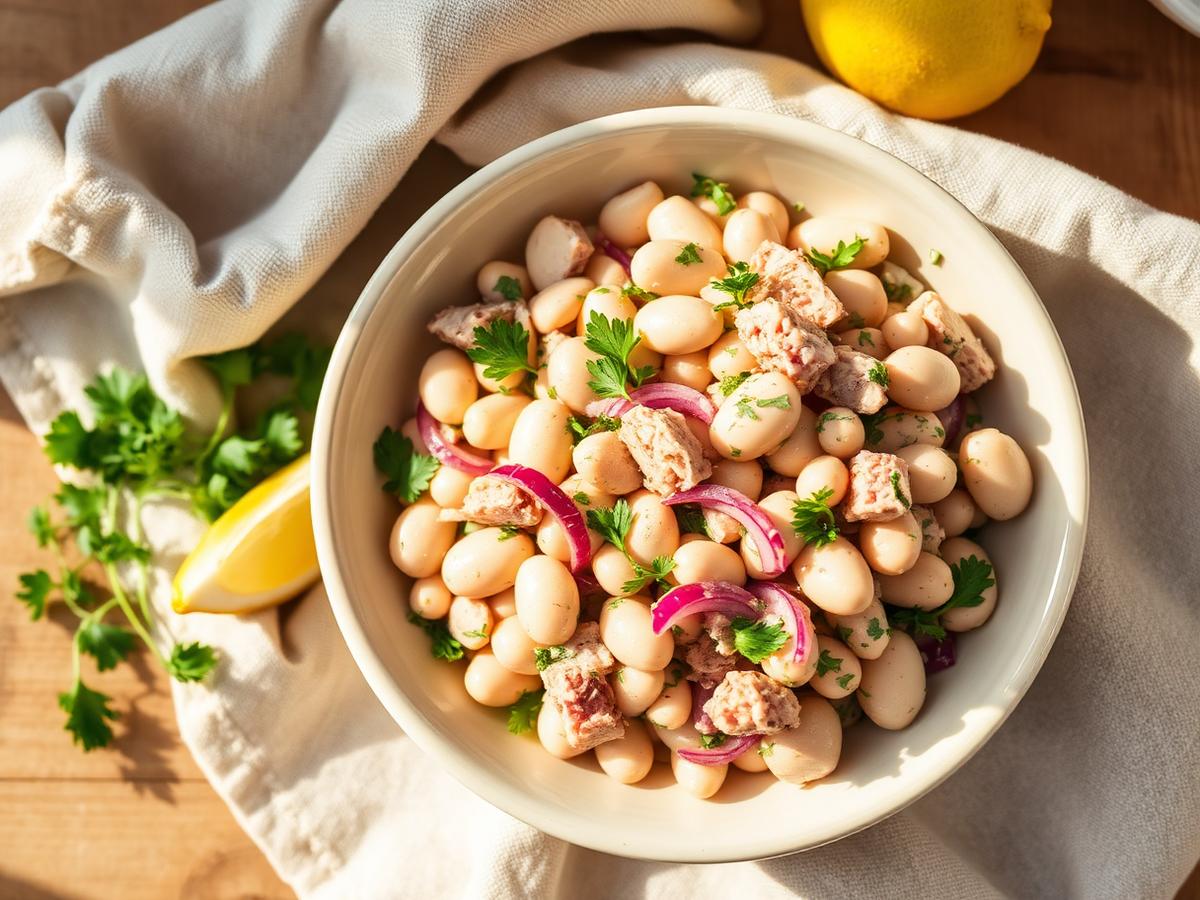
Protein first. Bone is a mineralized protein scaffold; low protein intake is associated with lower bone density and higher hip fracture risk. Adequate protein alongside adequate calcium is protective, not harmful, to bone.

Calcium, from food where possible: dairy, fortified soy, sardines with bones, tofu set with calcium, kale, almonds. Around 1,000 to 1,200 mg a day for women over fifty, spread across meals rather than a single large dose.

Vitamin D governs how much calcium you absorb. Without adequate D, high calcium intake underperforms.

Vitamin K2 activates the proteins that direct calcium into bone. Found in fermented foods, egg yolks, and hard cheeses.

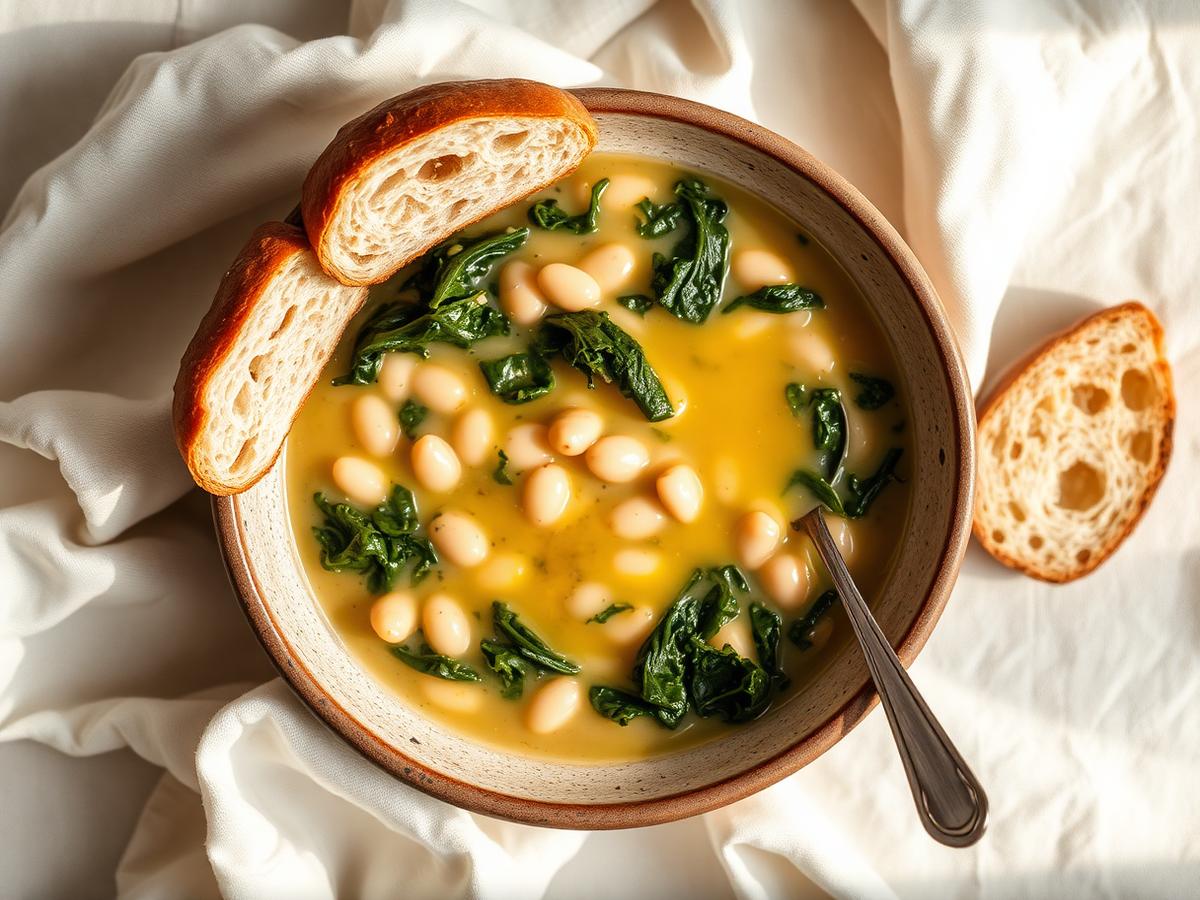
Magnesium is a cofactor for the enzyme that converts vitamin D to its active form. Leafy greens, nuts, seeds, beans, dark chocolate.

The part food cannot do

Bone responds to mechanical load. Resistance training and impact, heavier weights, jumps, hops, stair climbing, rucking, create the strain that tells osteoblasts to build.

Two to three resistance sessions a week, progressively loaded, plus short bouts of impact where joints allow. Swimming and cycling are wonderful for heart and mood and do almost nothing for bone.

Balance work belongs here too. The fracture that changes a life usually starts as a fall, and balance is trainable at any age.
What the evidence says

  • Higher protein intake is associated with higher bone mineral density and lower hip fracture risk when calcium intake is adequate.

    Groenendijk et al., systematic review, Bone Reports, 2019

  • High-intensity resistance and impact training improved bone mineral density at the spine and hip in postmenopausal women with low bone mass.

    Watson et al., LIFTMOR trial, Journal of Bone and Mineral Research, 2018

  • Bone loss accelerates sharply in the year before and two years after the final menstrual period.

    Greendale et al., SWAN cohort, Journal of Bone and Mineral Research, 2012

Educational content only. It is not medical advice and does not replace a conversation with your own clinician.

Put it on the plate

  1. 01Anchor each meal with a protein source; aim for roughly 1.2 grams per kilogram of body weight daily.
  2. 02Get calcium at two or three meals rather than one, absorption is better in smaller doses.
  3. 03Eat sardines, canned salmon with bones, or calcium-set tofu weekly.
  4. 04Ask your clinician about a vitamin D level and a DEXA scan rather than guessing.

Cook the science

Keep it

Bone Health Nutrition Guide

The printable companion to this article, free in the resource library.

Get the guide

Read next