The mechanism
The liver clears LDL particles from the blood using LDL receptors. Estrogen upregulates those receptors. When estrogen declines, receptor activity falls, clearance slows, and LDL cholesterol rises, often by ten to fifteen percent across the transition, with no change in diet.
Triglycerides often rise too, HDL function can worsen, and body fat redistributes toward the abdomen, all of which shift cardiovascular risk upward at the same moment.
The food levers that actually measure
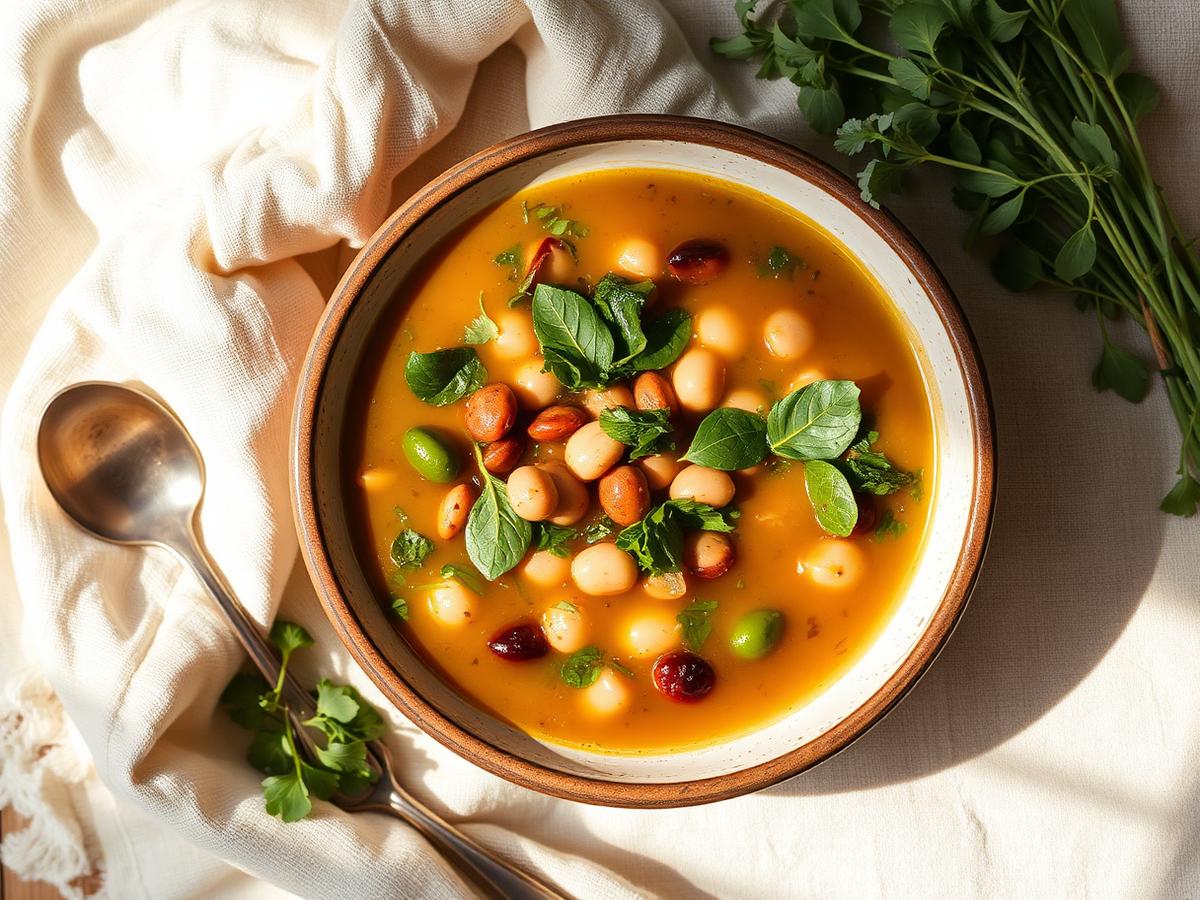
Soluble fiber, five to ten grams a day from oats, barley, beans, psyllium, and apples, lowers LDL by binding bile acids. Psyllium is the most studied single addition.
Replace saturated fat with unsaturated. Swapping butter and fatty processed meats for olive oil, nuts, avocado, and fish lowers LDL; simply cutting fat and eating refined starch instead does not.
Plant sterols and stanols at two grams a day reduce cholesterol absorption. Found in fortified spreads and supplements.
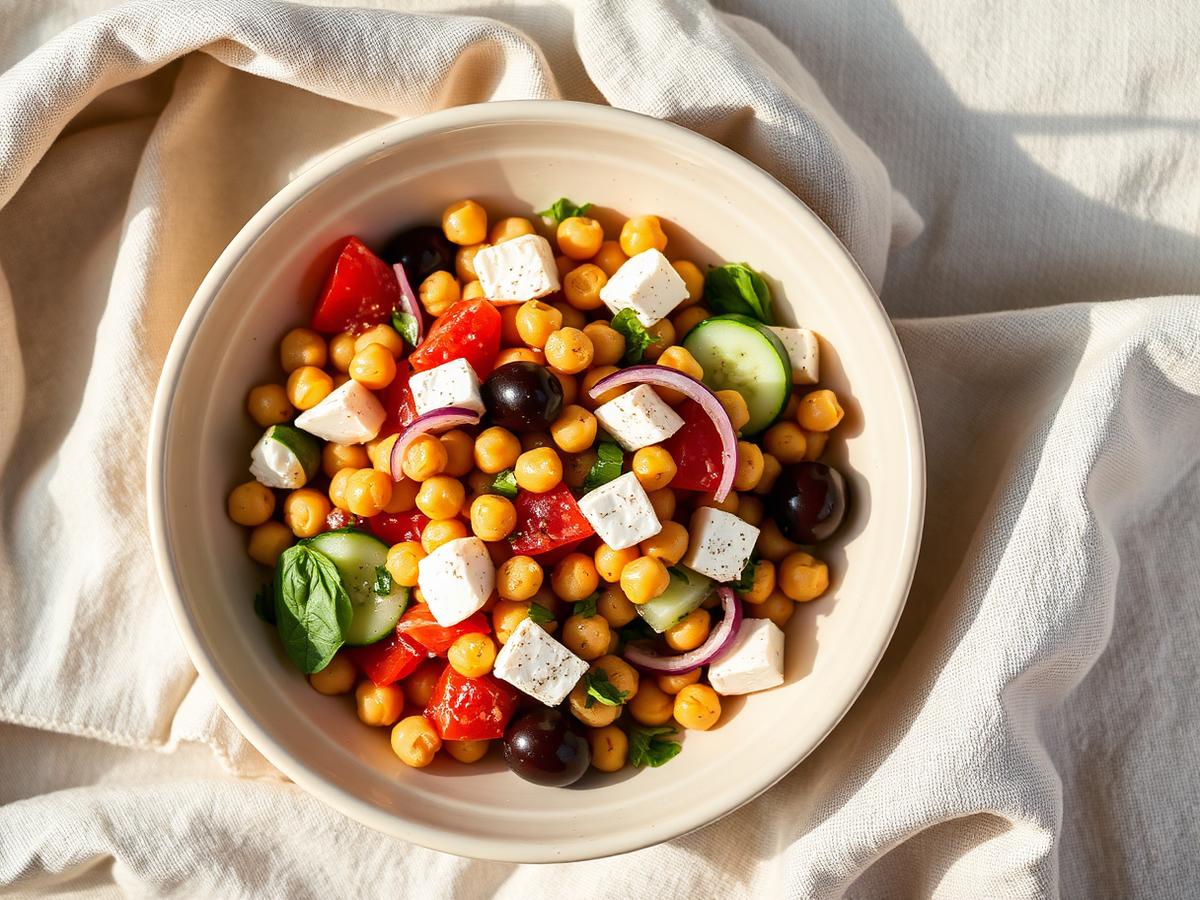
Nuts, a handful daily, and oily fish twice a week round out the pattern. Alcohol reduction helps triglycerides more than almost anything else.
The numbers to ask for
ApoB counts the actual number of atherogenic particles and predicts risk better than LDL-C alone. Lipoprotein(a) is largely genetic, measured once in a lifetime, and meaningfully changes how aggressively risk should be managed.
Bring the results to a clinician who takes women's cardiovascular risk seriously. Diet is a lever, not the only one, and statin decisions belong in that conversation.