Where the numbers come from
The 0.8 grams per kilogram recommendation is a deficiency threshold derived from nitrogen balance studies. It answers 'how little can a person eat and not visibly break down', which is not the question a fifty-year-old woman is asking.
The question she is asking is 'how much do I need to hold on to the muscle I have while my estrogen falls'. The literature on that points consistently higher: 1.2 to 1.6 grams per kilogram of body weight, higher end if she is training hard or in a calorie deficit.
For a 68 kilogram woman that is roughly 82 to 109 grams a day, usually 30 to 35 grams at each of three meals.
Anabolic resistance, explained without jargon
Muscle protein synthesis is switched on by leucine, an amino acid, once a threshold is crossed. With age, that threshold rises: the same 15-gram serving that triggered building at twenty-five may not trigger it at fifty-five.
This is why distribution matters more than it used to. A meal with 30 grams of quality protein reliably crosses the threshold; three 12-gram grazes may cross it zero times.
Quality and sources
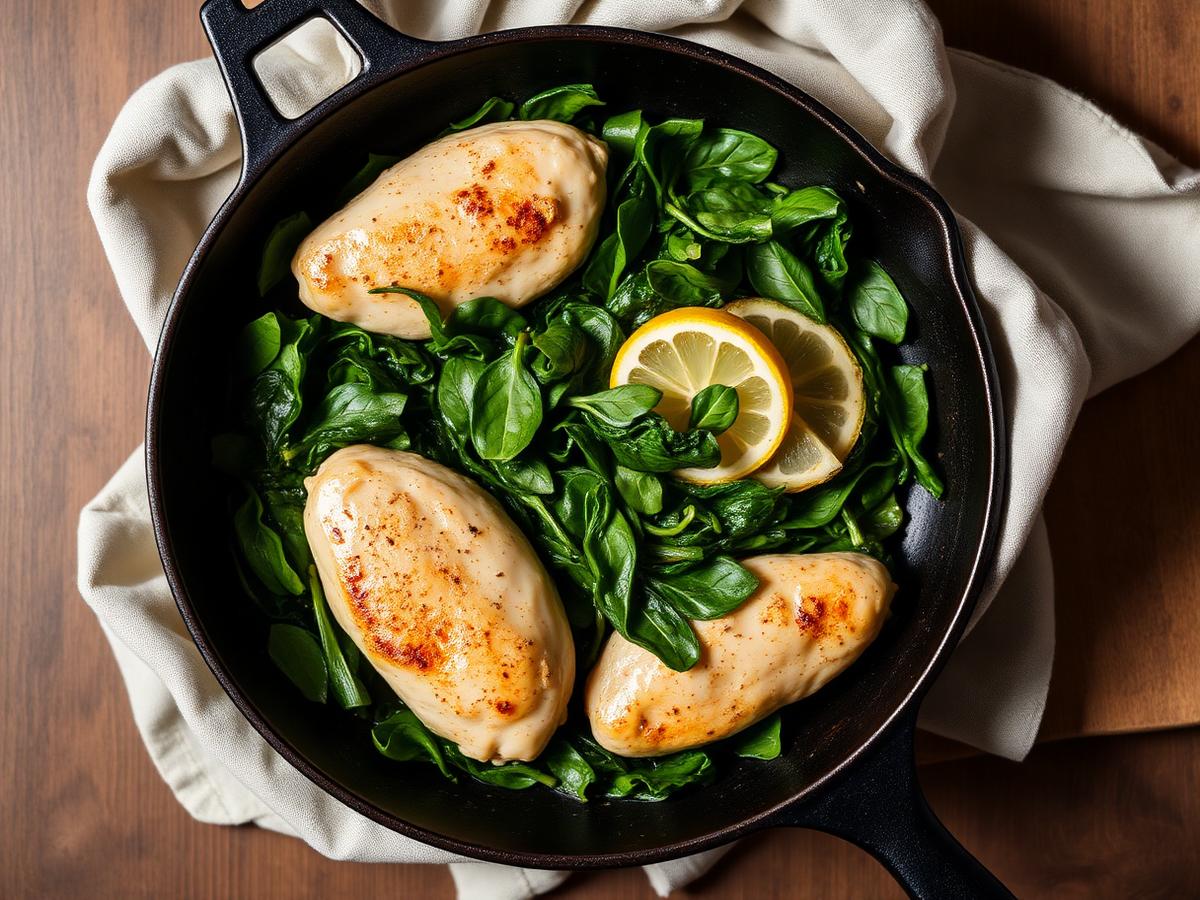
Animal proteins, eggs, dairy, fish, poultry, meat, are leucine-dense and complete. Plant proteins work well too, they just need more volume and a bit of combining: soy, lentils, beans, seitan, tofu, tempeh, and pea protein all pull their weight.
A practical shortcut for plant-based eaters: add 25 percent to the target and lean on soy and legumes, which have the best amino acid profiles of the plant options.
The other half
Protein supplies the bricks. Resistance training is the work order. Without a mechanical stimulus, extra protein is largely oxidised.
Two to three sessions a week covering the major movement patterns, push, pull, hinge, squat, carry, with load that feels genuinely challenging by the last two repetitions.