Science Library

Inflammation

Chronic inflammation in midlife: the quiet driver

Acute inflammation heals you. The low-grade, always-on version wears you down, and diet moves it in both directions.

8 min readReviewed December 2025By Yvette, The Wellness Kitchen

The short version

  • Inflammaging is a slow rise in baseline inflammatory signaling with age; estrogen loss accelerates it.
  • The omega-6 to omega-3 balance, fiber intake, and polyphenols are the three biggest dietary levers.
  • Sleep loss and visceral fat raise inflammatory markers as reliably as any food.
  • No single anti-inflammatory food exists. Patterns do, the Mediterranean pattern most of all.

Two kinds of inflammation

Cut your finger and the redness, heat, and swelling are inflammation doing its job: contain, clean, repair, resolve. That process is supposed to end.

Chronic low-grade inflammation never resolves. Markers like C-reactive protein and interleukin-6 sit slightly elevated for years, contributing to insulin resistance, atherosclerosis, joint pain, and cognitive decline. Estrogen has anti-inflammatory effects, so its decline nudges the baseline upward.

The dietary levers, ranked

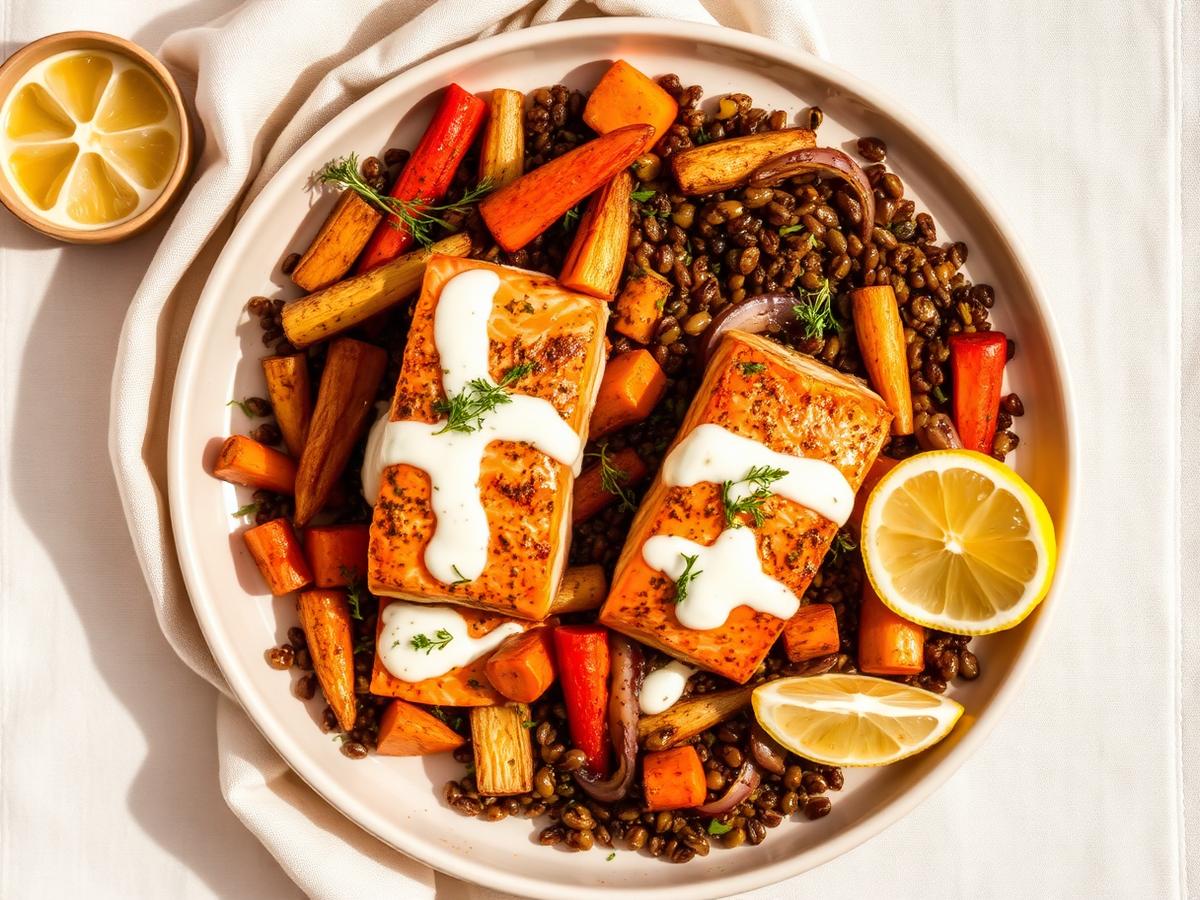
Omega-3 fats. Oily fish two to three times a week supplies EPA and DHA, the precursors to resolvins, molecules that actively end inflammation rather than just failing to start it.

Fiber and fermented food. Short-chain fatty acids from fermentation regulate immune signaling in the gut wall, where most of your immune system lives.

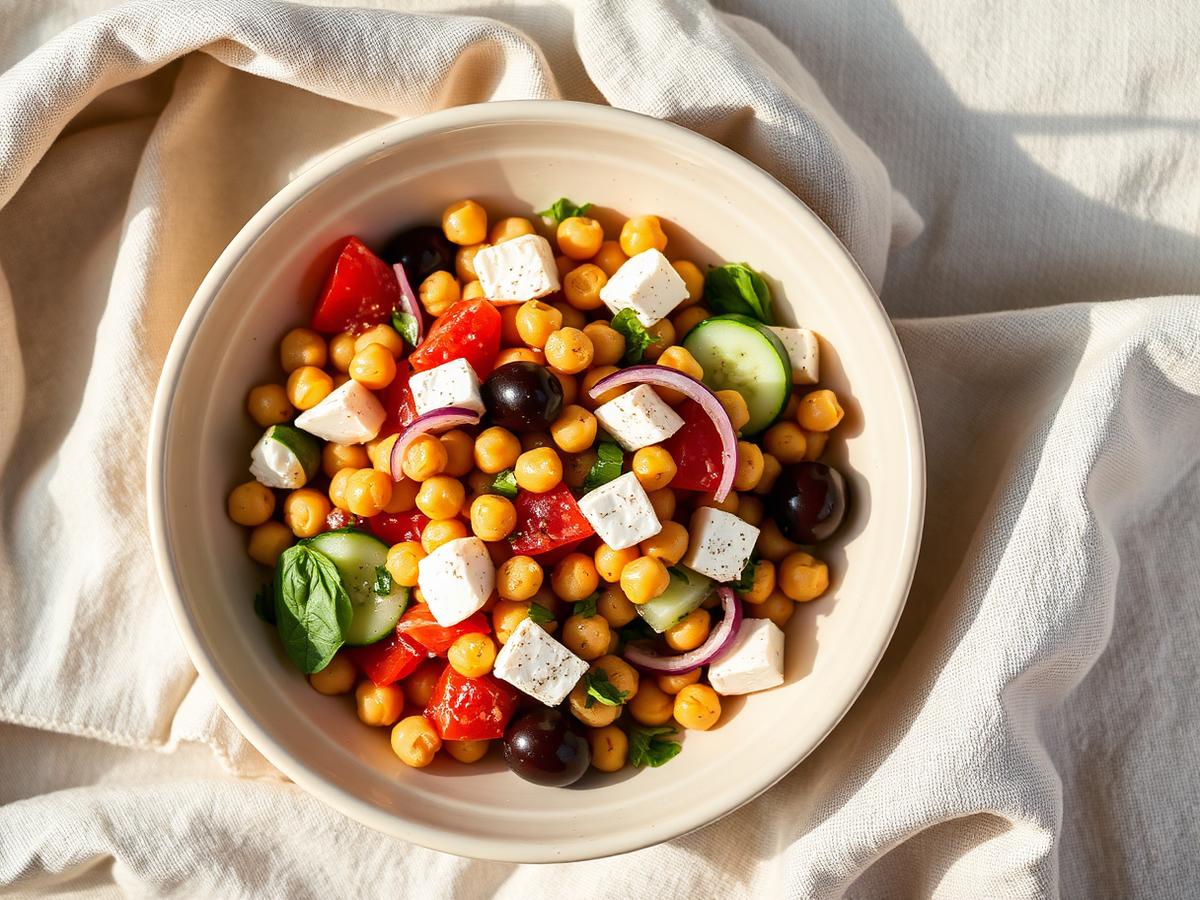
Polyphenols. Olive oil, berries, herbs, spices, tea, coffee, and dark chocolate. Extra virgin olive oil contains oleocanthal, which acts on the same pathway as ibuprofen at a far gentler dose.

What to reduce: ultra-processed foods, refined starch eaten alone, industrial seed oils in large amounts, and alcohol above modest levels.

The non-food levers

Sleep below six hours raises inflammatory markers within days. Visceral fat is metabolically active tissue that secretes inflammatory cytokines. Chronic psychological stress does the same through the HPA axis.

Any honest anti-inflammatory plan addresses sleep and stress with the same seriousness it applies to salmon.
What the evidence says

  • Adherence to a Mediterranean dietary pattern is associated with lower CRP and IL-6 concentrations.

    Schwingshackl & Hoffmann, Nutrition, Metabolism and Cardiovascular Diseases, 2014

  • Oleocanthal in extra virgin olive oil inhibits COX enzymes in a manner pharmacologically similar to ibuprofen.

    Beauchamp et al., Nature, 2005

  • Experimental sleep restriction elevates circulating IL-6 and CRP in healthy adults.

    Irwin et al., Biological Psychiatry, 2016

Educational content only. It is not medical advice and does not replace a conversation with your own clinician.

Put it on the plate

  1. 01Oily fish twice a week: salmon, sardines, mackerel, herring, anchovies.
  2. 02Extra virgin olive oil as the default fat, used generously and uncooked where possible.
  3. 03Colour at every meal, the pigments are the polyphenols.
  4. 04Herbs and spices by the handful, not the pinch.

Cook the science

Keep it

Anti-Inflammatory Kitchen Guide

The printable companion to this article, free in the resource library.

Get the guide

Read next